





We work to unite humanitarian and environmental non-governmental organizations for Save the Planet





We are a + 2000 people in a global solidarity initiative to save our planet with immediate actions, bringing together scientists, environmentalists, politicians, financiers, professionals from all areas and people from all over the planet, to work, all together and together, to stop global warming, and at the same time to end the merciless scourge of hunger and extreme poverty throughout the Earth.
The weather anomaly is in an acceleration phase, we must act immediately: build an AI holographic dynamic weather map, interconnecting via an intranet all available quantum computers, fed all known variables and deducing all unknowns, to get the most realistic tipping points and predict upcoming events, in a effort combined with the best scientists from all continents.
We need to act, activating a planetary climate emergency plan to be implemented worldwide, with the cooperation of all governments. Join our team task forces! To save the planet and guarantee everyone’s life on it, we all need to work in a cooperative, coordinated, synchronized and supportive way. Prioritizing everyone’s lives and not money, ego, fame or power.
All of us on our beautiful planet Earth find ourselves in a situation of complete Climate Insecurity. We must abandon prejudice, hatred and resentment, unite and work together to stop the present acceleration of the climate anomaly. We are all in the same boat. We are all necessary.
We can all help to save each other. Let us know how to be supportive and overcome all our differences.
We Act! 🌍🌱
🚨 The Reality We Face
- 📉 Broken Predictions:
- In 2000, experts, including NASA, underestimated the thawing of Antarctica and Greenland.
- Predictions of reaching the 1.5°C threshold were for 2035–2050. Now, it’s expected by 2025–2030.
- 🌡 Accelerating Crisis:
- Methane hydrate peaks are already being released in the ESAS (East Siberian Arctic Shelf).
- Large-scale positive feedback loops—such as permafrost thawing and clathrate release—are on the horizon.
- 🤥 Misinformation and Inaction:
- Over $1 billion was spent on disinformation campaigns funded by the oil industry.
- Many scientists and institutions still misinform to avoid alarming the population, delaying critical actions.
🛠 What Sets Us Apart
- 💡 Action Over Reports:
At Mayday.live, we act decisively with solutions and systems to confront the climate emergency. - 💰 Funding Through Commitment:
- We ask multinationals to donate 50% of their net profits for 5 years until governments approve the Green Solidarity Fund (2% of annual world GDP).
- Our CEO earns a symbolic salary of $3,000 per month, ensuring transparency and focus on the mission.
- 🌍 Prioritizing Humanity’s Future:
- 50% of our net profits go toward ending hunger and stopping global warming.
🌟 Our Key Initiatives
1️⃣ Greeninterbanks.com
An alliance of 141 environmental banks aimed at accelerating the financing of key sustainable projects.
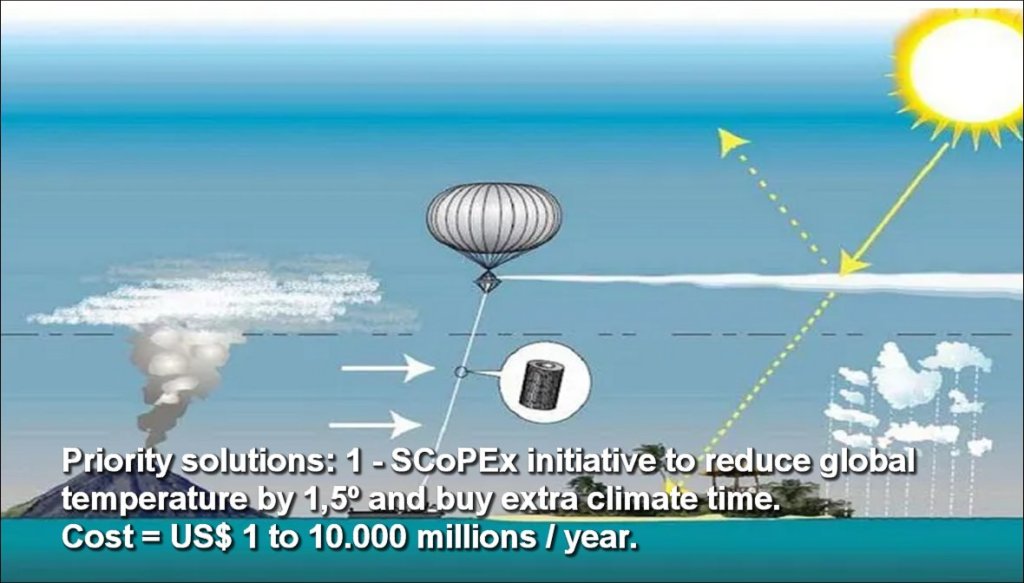
- 🔑 Priority: Activate the SCOPEX Project to reduce global temperatures by 1.5°C and gain critical time for adaptation.
2️⃣ Forest Card 🌳
An international credit card funding large-scale reforestation.
- 💳 Donations:
- 50% of net profits donated.
- Users can opt to donate 0.5–2% of their purchase value.
- 🌲 Impact:
- Plant 30 billion trees/year using kiri species, capturing 30 billion tons of CO2 annually.
- Logs are felled and buried, returning CO2 to the ground.
- Partner: AEON, Japan, experts in forest recovery.
🔑 Next Steps
3️⃣ SCOPEX Project
- 🌡 Goal: Reduce global temperatures by 1.5°C.
- 📊 Approach: Gradual deployment to monitor collateral environmental impacts.
4️⃣ Reforestation at Scale
- 🌍 Target: Plant between 500 million to 900 billion trees on free Earth surface areas.
- 🌱 Why Kiri? Fast-growing, high CO2 absorption, and soil purification capabilities.
5️⃣ Additional Projects
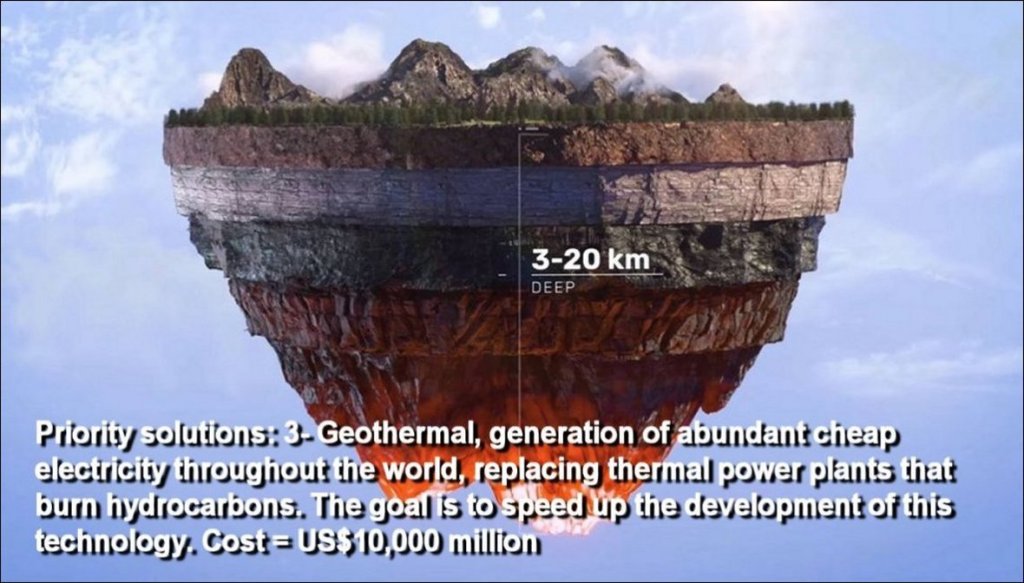
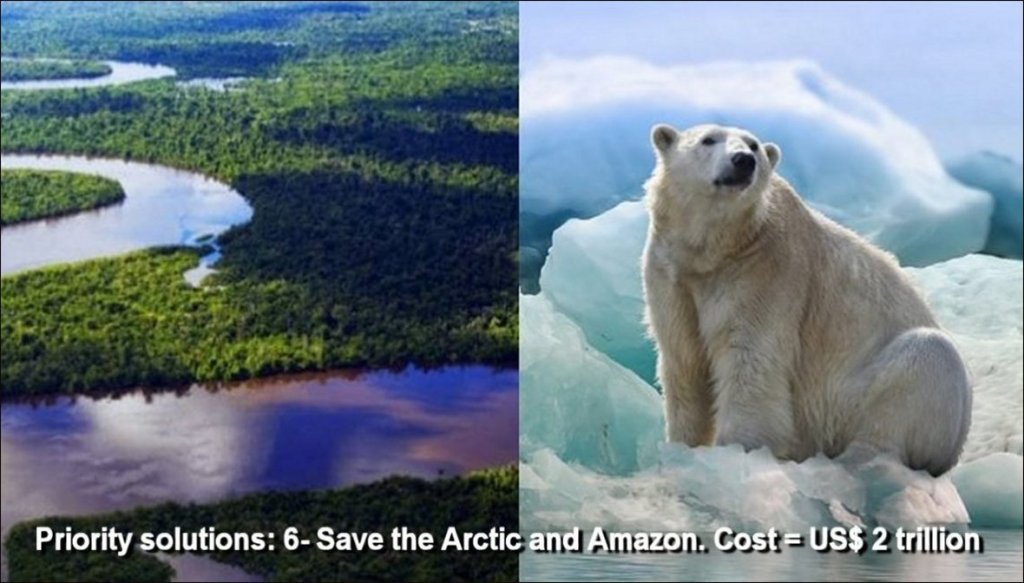
- Beyond SCOPEX and reforestation, six additional key initiatives are in the pipeline to comprehensively combat global warming.
🌟 Strategic Advantages
🌐 Unified Global Action:
- Calls for multinationals, governments, and citizens to collaborate under clear, actionable plans.
🌍 Leveraging Capital for Good:
- By redirecting just a small percentage of global GDP, life-saving initiatives can be fully funded.
💡 Technological Leadership:
- Utilizes cutting-edge technologies, including AI, quantum computing, and sustainable innovations, to ensure efficiency and scalability.
📣 Call to Action
- 🌎 Time is critical! We have until December 2023 to act before irreversible tipping points accelerate the climate crisis.
- 🤝 Join us to ensure a sustainable future for all. Whether through funding, expertise, or participation, every contribution matters.
🚀 Conclusion
We don’t just talk.
We don’t waste time on unnecessary reports.
We act. Together, we can and will save the planet. 🌍


IPCC´sReports
Scientific Reports of IPCC
AR6 Synthesis Report: Climate Change 2023
AR6 Climate Change 2022: Mitigation of Climate Change
AR6 Climate Change 2022: Impacts, Adaptation and Vulnerability
AR6 Climate Change 2021: The Physical Science Basis
The Ocean and Cryosphere in a Changing Climate
Climate Change and Land
2019 Refinement to the 2006 IPCC Guidelines for National Greenhouse Gas Inventories
Global Warming of 1.5°C
AR5 Synthesis Report: Climate Change 2014
AR5 Climate Change 2014: Mitigation of Climate Change
April 2014
AR5 Climate Change 2014: Impacts, Adaptation, and Vulnerability
AR5 Climate Change 2013: The Physical Science Basis
Managing the Risks of Extreme Events and Disasters to Advance Climate Change Adaptation
Renewable Energy Sources and Climate Change Mitigation
AR4 Climate Change 2007: Synthesis Report
AR4 Climate Change 2007: Impacts, Adaptation, and Vulnerability
AR4 Climate Change 2007: The Physical Science Basis
AR4 Climate Change 2007: Mitigation of Climate Change
2006 IPCC Guidelines for National Greenhouse Gas Inventories
Safeguarding the Ozone Layer and the Global Climate System
Carbon Dioxide Capture and Storage
TAR Climate Change 2001: Synthesis Report
TAR Climate Change 2001: Mitigation
TAR Climate Change 2001: Impacts, Adaptation, and Vulnerability
TAR Climate Change 2001: The Scientific Basis
Methodological and Technological Issues in Technology Transfer
Land Use, Land-Use Change, and Forestry
Aviation and the Global Atmosphere
The Regional Impacts of Climate Change: An Assessment of Vulnerability
Revised 1996 IPCC Guidelines for National Greenhouse Gas Inventories
SAR Climate Change 1995: Synthesis Report
SAR Climate Change 1995: Economic and Social Dimensions of Climate Change
SAR Climate Change 1995: The Science of Climate Change
IPCC Guidelines for National Greenhouse Gas Inventories
1994 IPCC Guidelines for National Greenhouse Gas Inventories
IPCC Technical Guidelines for Assessing Climate Change Impacts and Adaptations
Climate Change 1992: The Supplementary Report to the IPCC Impacts Assessment
Climate Change 1992: The Supplementary Report to the IPCC Impacts Assessment
Climate Change: The IPCC 1990 and 1992 Assessments
FAR Climate Change: The IPCC Response Strategies
FAR Climate Change: Impacts Assessment of Climate Change
WMO reports
Press release
Rapid changes in cryosphere demand urgent, coordinated action
World Meteorological Congress approves Global Greenhouse Gas Watchh
Economic costs of weather-related disasters soars but early warnings save lives
Global temperatures set to reach new records in next five years
WMO Update: Prepare for El Niño
WMO annual report highlights continuous advance of climate change
WMO’s hurricane committee retires Fiona and Ian from list of names
Early Warnings For All Initiative scaled up into action on the ground
“Wake up to Water” urge Water and Climate Leaders
Urgent climate action can secure a liveable future for all
Ozone layer recovery is on track, helping avoid global warming by 0.5°C
State of Climate in South-West Pacific highlights increasing threat of climate change
Scientific Reports
Climate change articles
AZAR eye and vision cohort study
Assessing the climate change mitigation potential from food waste composting
Indexing climatic and environmental exposure of refugee camps with a case study in East Africa
Malaria, climate variability, and interventions: modelling transmission dynamics
Improving the cotton simulation model, GOSSYM, for soil, photosynthesis, and transpiration processes
Assessment of the impacts of climat change on water supply system pipe failures
Machine learning reduces soft costs for residential solar photovoltaics
Current vehicle emission standards will not mitigate climate change or improve air quality
Anthropogenic influence on extreme temperature and precipitation in Central Asia
Deep generative model super-resolves spatially correlated multiregional climate data
Compound climate-pollution extremes in Santiago de Chile
More than unfamiliar environmental connection to super typhoon climatology
Mapping tropical forest aboveground biomass using airborne SAR tomography
An integrated analysis of air pollution and meteorological conditions in Jakarta
Volcanic contribution to the 1990s North Pacific climate shift in winter
Regionally high risk increase for precipitation extreme events under global warming
Data driven pathway analysis and forecast of global warming and sea level rise
Varying genesis and landfall locations for North Atlantic tropical cyclones in a warmer climate
Increasing peak intensity of tropical cyclones passing through the Korean Peninsula
Climate warming and increasing Vibrio vulnificus infections in North America
Predicting wildfire ignition induced by dynamic conductor swaying under strong winds
Tides regulate the flow and density of Antarctic Bottom Water from the western Ross Sea
Characteristics of the Northern Hemisphere cold regions changes from 1901 to 2019
Initial results of the meteorological data from the first 325 sols of the Tianwen-1 mission
Causes for an extreme cold condition over Northeast Asia during April 2020
Satellite observation of atmospheric CO2 and water storage change over Iran
Early detection of anthropogenic climate change signals in the ocean interior
Three-decade assessment of dry and wet spells change across Iran, a fingerprint of climate change
Rapid shift in greenhouse forcing of emerging arctic peatlands
Livestock exposure to future cumulated climate-related stressors in West Africa
Probabilistic sea level rise flood projections using a localized ocean reference surface
A simple soil mass correction for a more accurate determination of soil carbon stock changes
Evaluation of solar photovoltaic carport canopy with electric vehicle charging potential
Study on the spatialization of anthropogenic carbon emissions in China based on SVR-ZSSR
Impact of air pollution on running performance
Environmental ranking of European industrial facilities by toxicity and global warming potentials
Coral reef structural complexity loss exposes coastlines to waves
page1
…

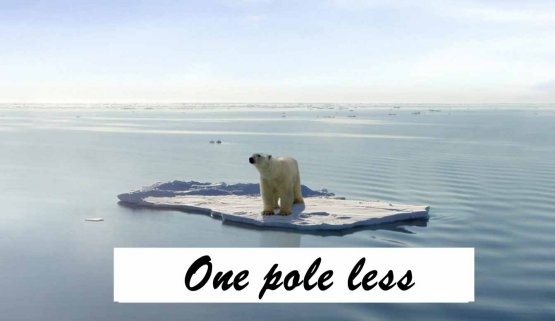
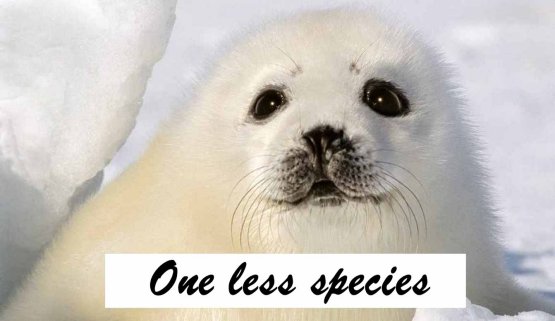
6º EXTINCTION
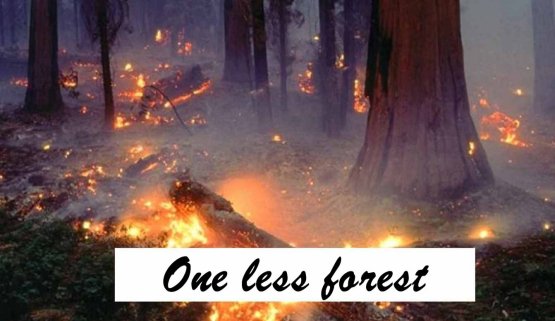
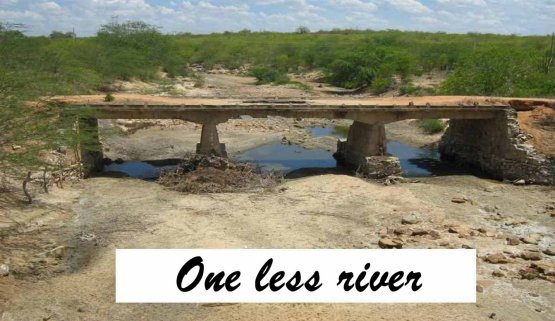

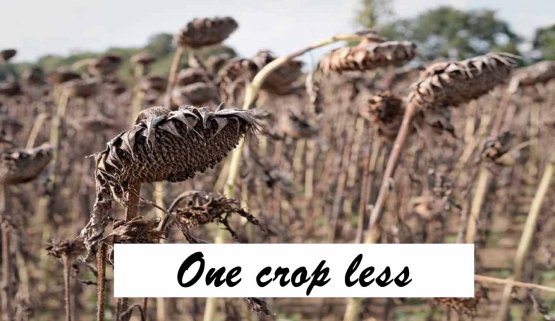

GLOBAL WARMING SOLUTIONS





















JOIN US! TO SAVE THE PLANET
Receive our newsletter! Either you are in favor of saving Humanity and the Planet or you are against it, or you are in favor of Mayday or you are against saving Humanity and the Planet.

Ecobuddha Maitreya Corp Global Financial Logistics: Quantum Digital Assets
Art agent, contact: robotagency.live@gmail.com
Copyright © 2024
 "EcoBuddha Maitreya | Yoga Master & NeuroYoga 2009 Creator – Official Global Site"