





In less than 10 minutes, EcoBuddha Maitreya’s supermind redesigned the android prototypes, applying parameters of hiranyaloki supertechnologies adjusted to cutting-edge earthly technological developments, rendering all previous competitive developments obsolete, causing a leap forward impulse… In 2050?, not, now!

Maitreya AIGAndroides: The Next Generation of Biodigital Androids with Synthetic Neural Computing and Programmable DNA
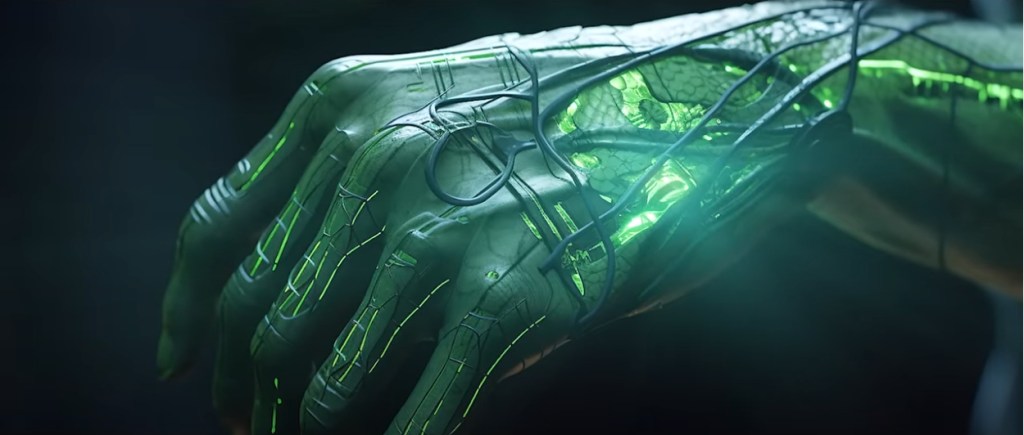
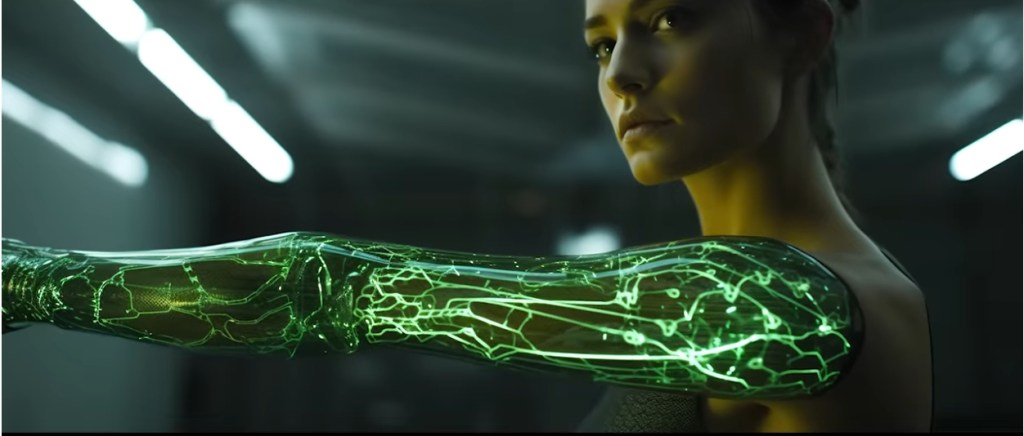
To define a new prototype of biodigital androids that integrate advances in neural computing using synthetic neurons, as well as synthetic DNA, an artificial heart, and a fluid system in a synthetic organism, we can follow a detailed approach that encompasses multiple emerging technologies. We will optimize each component and its integration, utilizing the latest developments in musculature, bones, and soft tendons from Japan that emulate human tissue.
1. Synthetic Neural Brain (Advanced Neural Computing)
Brain-Computer Interface (BCI): We will incorporate a bidirectional brain-computer interface that allows smooth interaction and communication between the android and its environment, as well as the ability to transmit and receive information with other androids and humans. This will be complemented by sensor fusion algorithms to integrate information from multiple sensors in real-time.
Neuronal Synthetic Computing (NSC): We will use an advanced neural computing system based on synthetic neurons designed to emulate the functions of biological neurons, but with significant improvements in efficiency and processing capacity. These synthetic neurons will be composed of room-temperature superconducting materials that allow for fast signal transmission with minimal energy loss.
Advanced Neural Network Architecture: The brain of the Maitreya AIGAndroids will integrate Deep Neural Networks (DNNs) combined with Self-Organizing Maps (SOMs) that enable continuous adaptation to external and internal stimuli, enhancing autonomous learning capabilities and contextual adaptation.
2. Synthetic DNA and Genomic Adaptability
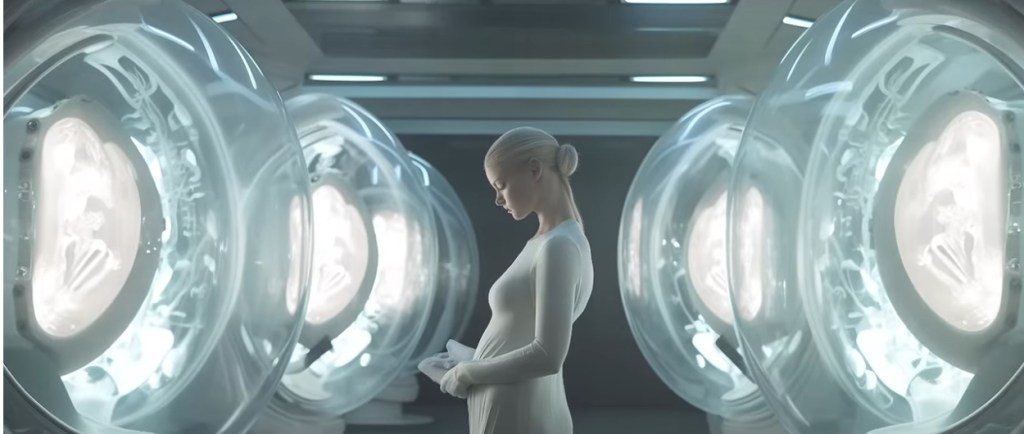
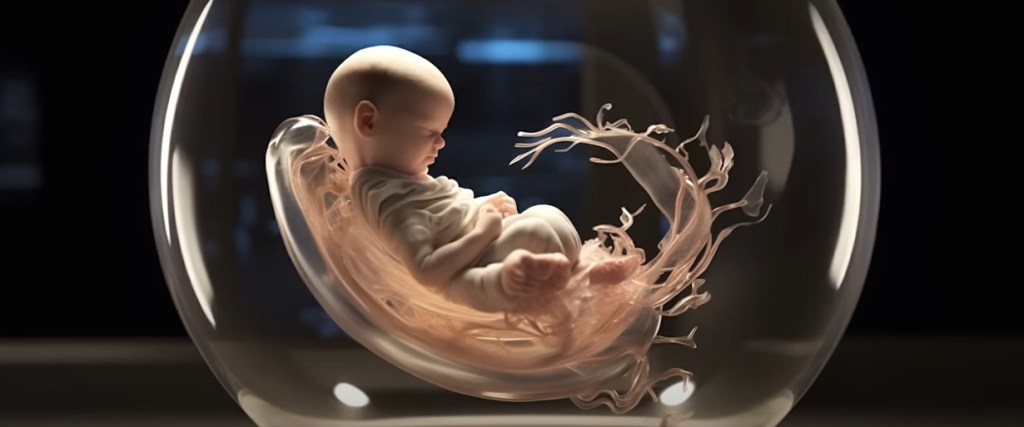
- Programmable Synthetic DNA (PS-DNA): This component will be developed using synthetic DNA that can be dynamically programmed and modified to adapt to different functions and situations. This synthetic DNA allows for cell replication and repair within the synthetic organism, ensuring the longevity and self-repair capabilities of the android.
- High-Level Genetic Integration: Synthetic DNA will also enable the genetic customization of Maitreya AIGAndroids, adapting their functions to specific missions. This DNA can activate or deactivate specific sequences of synthetic «genes» that control the production of proteins and other biomolecules, optimizing the android’s metabolic function.

3. Artificial Heart and Synthetic Fluid System
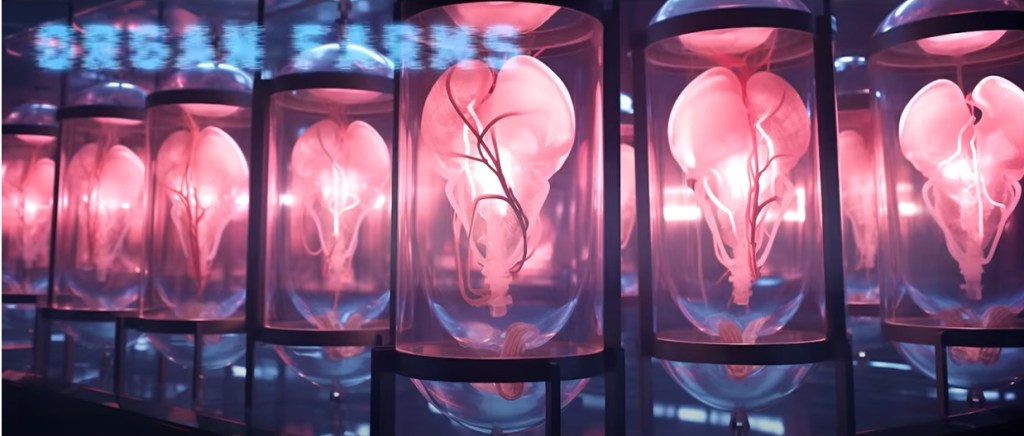
- Dynamic Artificial Heart (D-Heart): The artificial heart will be a highly efficient device based on the latest design of magnetohydrodynamic (MHD) centrifugal pumps that not only mimic the pumping function of the human heart but also allow for the regulation of synthetic blood flow adapted to the android’s requirements. This design will enable a continuous and controlled flow of fluids that emulate blood and other essential components.
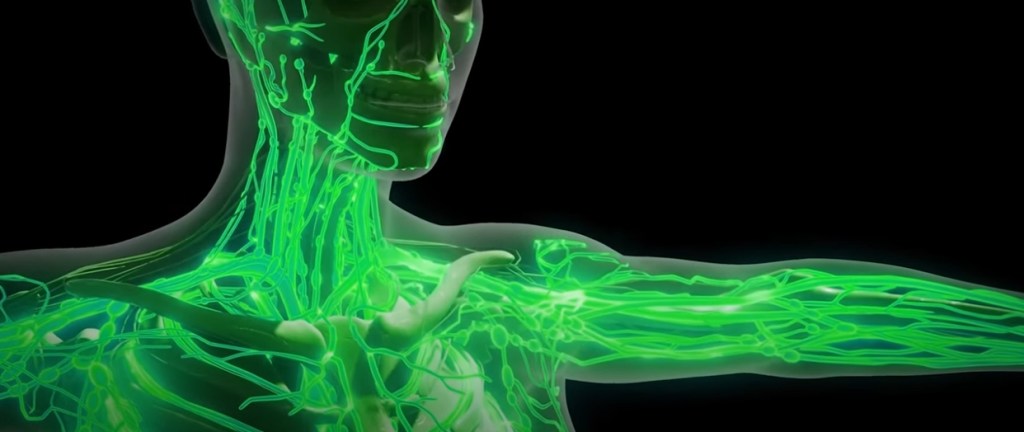
- Synthetic Fluid System: The fluids within the synthetic organism will be composed of a mixture of advanced electrolytic solutions, transport nanomaterials, and repair microbots. These fluids will not only transport «nutrients» and energy but will also act as a synthetic immune system that can repair damage and maintain homeostasis.
4. Muscles, Bones, and Soft Tendons Emulating Human Tissue
Synthetic Tendons and Joints: We will use tendons and ligaments made of a combination of elastomers and composite biomaterials, such as «muscle-like artificial tendon» (MAT) that mimics the elastic and damping properties of human tissue. These materials not only provide smooth and natural movement but also resist prolonged mechanical wear.
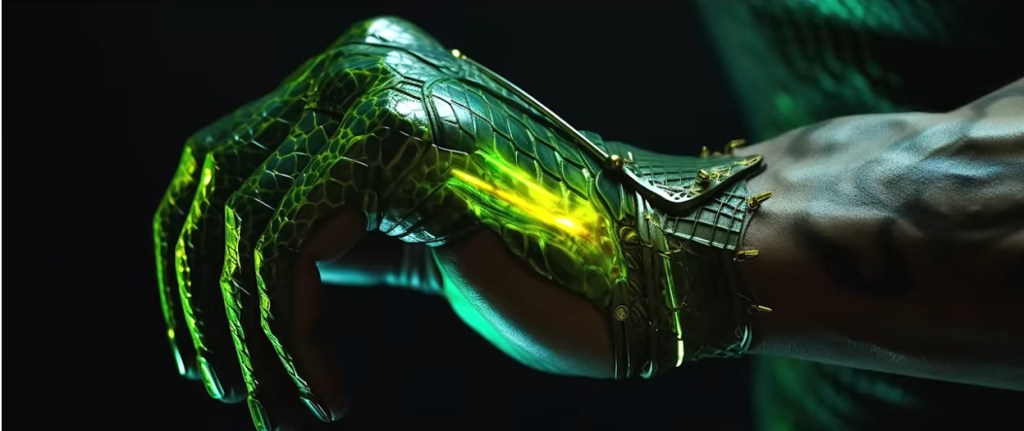
Advanced Synthetic Musculature (ASM): The synthetic muscles will be composed of electroactive polymers (EAP) and smart materials that can contract and expand with high precision and controlled force. This will allow the androids to have movements very similar to those of humans, with the ability to perform high-precision and endurance physical activities.
Flexible and Resilient Bones: Synthetic bones will be developed using advanced composite materials such as carbon nanofibers reinforced with synthetic hydroxyapatite, providing an optimal combination of strength, flexibility, and lightness. These bones can adapt to different load and resistance situations.
Synthetic Tendons and Joints: We will use tendons and ligaments made of a combination of elastomers and composite biomaterials, such as «muscle-like artificial tendon» (MAT) that mimics the elastic and damping properties of human tissue. These materials not only provide smooth and natural movement but also resist prolonged mechanical wear.

Integrated Sensor and Sensorimotor Processing System
- Multimodal Sensors: The android will be equipped with a network of multimodal sensors distributed throughout the body to capture visual, auditory, tactile, olfactory, and temperature information. High-resolution haptic sensors will allow detailed interaction with the environment, emulating the human ability to perceive textures, temperatures, and pressure.
- Ultra-Fast Sensorimotor Processor: This component will process sensor information in real-time, allowing immediate and precise responses in various situations. The processing will be based on neuromorphic chips that mimic the neuronal plasticity of the human brain.
6. Self-Repair System and Energy Autonomy
Autonomous Energy Generation: We will use a combination of high-efficiency hydrogen fuel cells and graphene batteries for prolonged energy autonomy. Additionally, nanoantennas will be integrated to convert ambient electromagnetic radiation into usable energy, taking advantage of external sources like Wi-Fi and other radio signals.
Repair Microbots: Integrated into the fluid system, these microbots can locate and repair damage at the cellular level, ensuring the integrity of the synthetic organism. They can perform tasks such as tissue reconstruction, waste or infection removal, and general system maintenance.
Autonomous Energy Generation: We will use a combination of high-efficiency hydrogen fuel cells and graphene batteries for prolonged energy autonomy. Additionally, nanoantennas will be integrated to convert ambient electromagnetic radiation into usable energy, taking advantage of external sources like Wi-Fi and other radio signals.
7. High-Level Communication and Control Interface
- Direct Connection to AI Networks: Maitreya AIGAndroids will be connected to a global AI network to exchange information, receive updates, and optimize their functionality. This network will allow continuous software and algorithm updates to improve performance and learning capacity.
- Ethical and Security Control: Each android will include an ethics and security module to prevent actions that could harm humans or the environment, programmed with algorithms based on advanced and dynamic ethical principles.
This comprehensive integration of cutting-edge biotechnological, robotic, and AI advancements provides a solid foundation for the development of a new generation of biodigital androids that are capable of emulating and potentially exceeding human abilities in various fields.


















































Ecobuddha Maitreya Corp. Global Financial Logistics: Quantum Digital Assets
Art agent, contact: robotagency.live@gmail.com
Copyright © 2024
 "EcoBuddha Maitreya | Yoga Master & NeuroYoga 2009 Creator – Official Global Site"