
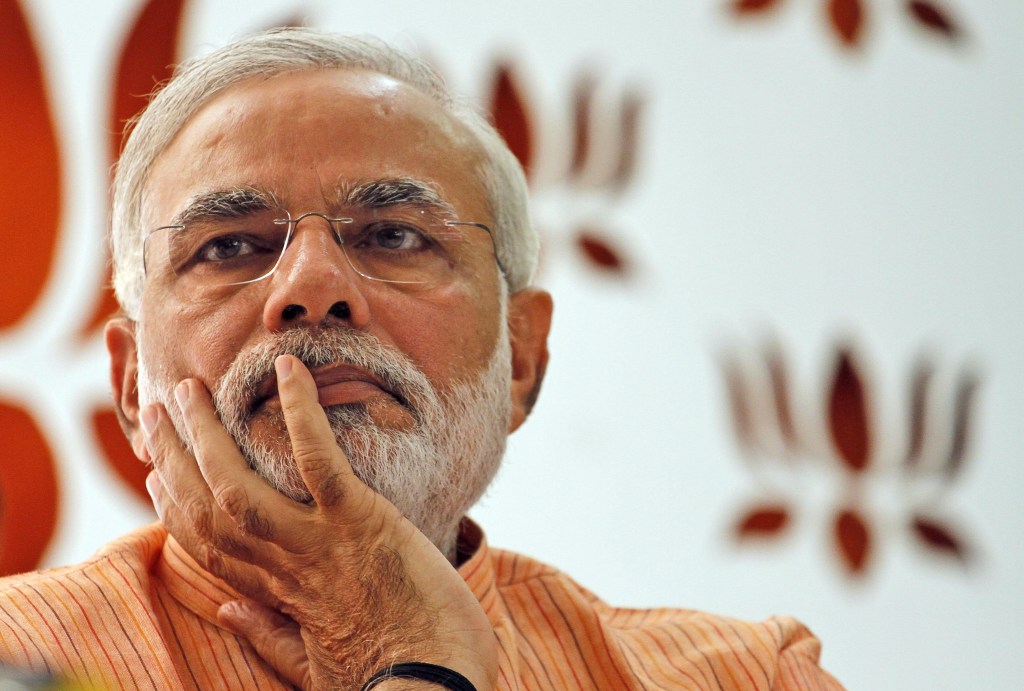
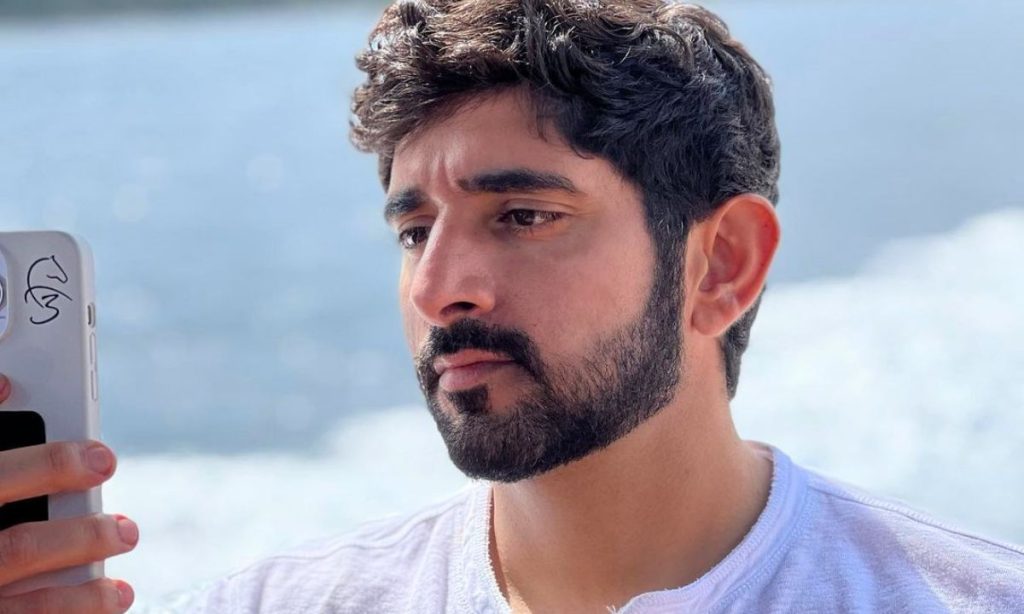
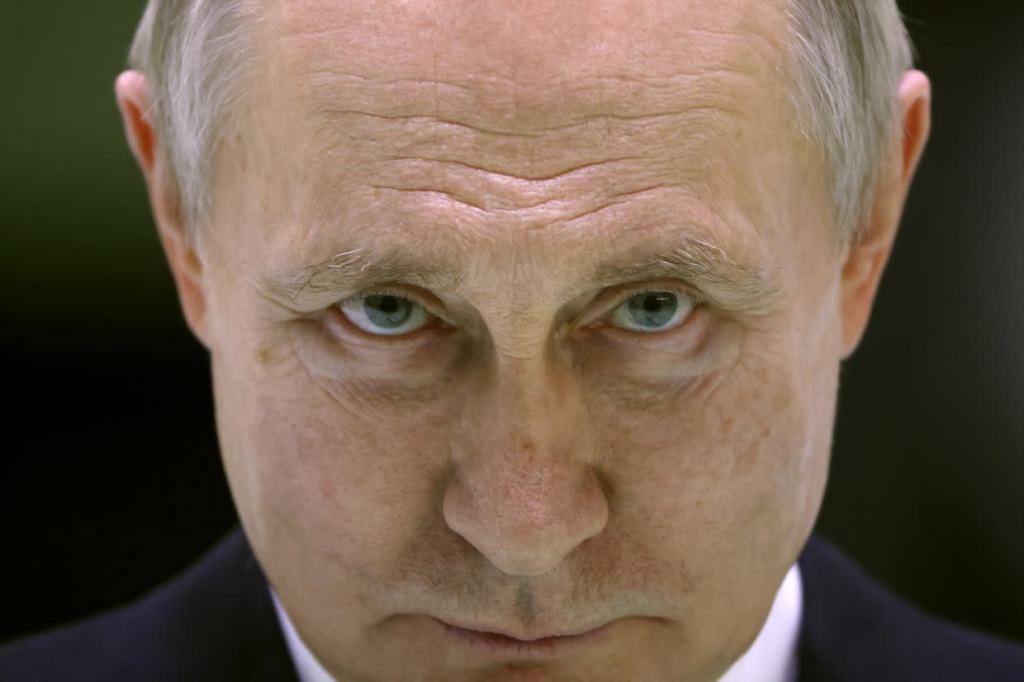
🌟Questions for Presidents Putin, Zelinsky, Prime Minister Modi and Prince Fazza
https://www.youtube.com/@Dining-with-Maitreya-ChatGPT
🌍 Presidential Dialogue Series — Simultaneous Release
English Version
*»Today, the Maitreya Initiative presents a simultaneous set of interview questions to three world leaders: Presidents Putin, Zelinsky, Prime Minister Modi and Prince Fazza
Each represents a different continent and a distinct model of power, yet all face the same universal challenges: climate emergency, governance for the 21st century, and the role of technology in shaping the future of humanity.
The questions are the same in spirit: they do not confront, they invite. They are designed to open a path of reflection and decision that transcends ideologies and national borders.
Whichever leader responds first will set the tone of history. Silence, too, will speak — but action and vision will speak louder.
This is not about competition; it is about cooperation, courage, and responsibility before a world that cannot wait any longer.»*
The presidents are kindly invited to answer these questions by sending an email or by establishing direct contact via WhatsApp at the following number: +1 717 429 2901
They may also request a videoconference with Pam, through the same number, as part of Dining with Maitreya & Pam.
To break protocol and foster a more human connection with the peoples of the world, we suggest opening the video with a few simple dance steps to the rhythm of our first song, available here:
👉 https://youtu.be/DoqSBEqb6wc?list=PL0N7veE8cggC7K–k8wTOPe22PoT5yJjc
🇨🇳🎤 Dining with Maitreya & Pam — Presidential Dialogue Series
Interview Questions for Vladimir Putin
Presented by the Maitreya Initiative
I. History, War, and Military Power
- The cost of an obsolete script:
The war in Ukraine has relaunched Russia’s military power against NATO and the United States. You abandoned nuclear limitation treaties and deployed ballistic and hypersonic missiles. Russia lost the Cold War and opened to capitalism under Gorbachev. Are you trying to rewrite history with an obsolete script—at the expense of Russia’s economy and the well-being of its people? - The failure of quick victory:
You and your generals expected to take Kyiv within days. More than two years later, the frontline remains stagnant. Does this not demonstrate the limits of Russia’s army and weaponry against a much smaller adversary? - The new Cold War:
What has Russia truly gained from the invasion of Ukraine and the staged return to a Cold War? Is Russia stronger or weaker today? Has global peace advanced, or are we closer to nuclear war under the principle of mutually assured destruction (MAD)?
II. Diplomacy, Economy, and Strategy
- China as pipeline to power:
Is your next offensive against NATO simply redirecting hydrocarbons to China—securing a long-term alliance with the world’s second-largest power? - Gorbachev’s lesson:
Gorbachev understood that the real enemy of the Russian people was not NATO but economic stagnation, exclusion, and Western sanctions. What part of that lesson have you ignored? Without sustained economic growth, can Russian power truly last? - Capitalism without freedom:
After abandoning socialism and adopting capitalism, what is the real difference today between Russia and the West? If the economic model converges, why restrict freedoms inside Russia? - Oligarchy and ethics:
Do you agree with billionaires amassing unlimited fortunes? Shouldn’t there be an ethical ceiling on wealth—for example, no more than $100 million—so that Russia leads through fairness rather than inequality? - Internal freedom vs. external power:
If Russia is as powerful globally as you claim, why does it impose so many limits on the freedoms of its own people? Is it not contradictory to present Russia as a world power while restricting free thought and expression at home?
III. Future, Science, and Humanity
- A gesture for peace:
Would you be willing to accept a UN-supervised referendum in the occupied territories, allowing citizens to decide whether they wish to remain Ukrainian or join Russia? - Plasma engines and the space race:
Russia has announced a plasma engine capable of reaching Mars in 30–40 days. Is this technology truly functional? And if so, do you intend for Russia to colonize Mars before the United States? - Planetary defense:
If there were even a 5% probability of an exogenous invasion against Earth, would Russia cooperate in a global defense alliance—or would geopolitics prevail over humanity’s survival? - Digital democracy as a masterstroke:
Wouldn’t adopting direct digital democracy be the master move to outflank and delegitimize the West—positioning Russia as the leader of a new global front for the 21st century?
🎤🎤 Dining with Maitreya & Pam — Presidential Dialogue Series
Preguntas de Entrevista para Vladímir Putin
Presentado por la Iniciativa Maitreya
I. Historia, guerra y poder militar
- El costo de un guion obsoleto:
La guerra en Ucrania ha relanzado el poder militar ruso frente a la OTAN y Estados Unidos. Usted abandonó los tratados de limitación nuclear y desplegó misiles balísticos e hipersónicos. Rusia perdió la Guerra Fría y se abrió al capitalismo con Gorbachov. ¿Pretende reescribir la historia con un guion obsoleto, a costa de la economía y el bienestar del pueblo ruso? - El fracaso de la victoria rápida:
Usted y sus generales esperaban tomar Kiev en pocos días. Más de dos años después, la línea de frente permanece estancada. ¿No demuestra esto la incapacidad del ejército ruso y de su armamento frente a un adversario mucho más pequeño? - La nueva Guerra Fría:
¿Qué ha ganado Rusia con la invasión a Ucrania y el regreso por etapas a la Guerra Fría? ¿Está Rusia hoy más fuerte o más débil? ¿Se ha avanzado hacia la paz mundial o estamos más cerca de una tercera guerra nuclear bajo el principio de destrucción mutua asegurada (MAD)?
II. Diplomacia, economía y estrategia
- China como gasoducto al poder:
¿Su próxima ofensiva contra la OTAN consiste en redirigir hidrocarburos hacia China, asegurando así una alianza estratégica de largo plazo con la segunda potencia mundial? - La lección de Gorbachov:
Gorbachov entendió que el verdadero enemigo del pueblo ruso era el estancamiento económico, la exclusión y las sanciones de Occidente. ¿Qué parte de esa lección no ha comprendido usted? Sin crecimiento sostenido, ¿puede existir una potencia rusa duradera? - Capitalismo sin libertad:
Tras abandonar el socialismo y adoptar el capitalismo, ¿cuál es la verdadera diferencia hoy entre Rusia y Occidente? Si la base económica converge, ¿por qué restringir las libertades dentro de Rusia? - Oligarquía y ética:
¿Está de acuerdo con que existan multimillonarios con fortunas ilimitadas? ¿No debería imponerse un límite ético a la riqueza—por ejemplo, no más de 100 millones de dólares—para que Rusia lidere desde la equidad en vez de la desigualdad? - Libertad interna y poder externo:
Si Rusia es tan poderosa en el escenario global, ¿por qué limita tanto las libertades de su propia población? ¿No es contradictorio presentarse como potencia mundial mientras se restringe el libre pensamiento y la expresión en casa?
III. Futuro, ciencia y humanidad
- Un gesto de paz:
¿Estaría dispuesto a aceptar un referéndum bajo supervisión de la ONU en los territorios ocupados, permitiendo a los ciudadanos decidir si desean seguir siendo ucranianos o integrarse a Rusia? - Motores de plasma y carrera espacial:
Rusia ha anunciado un motor de plasma capaz de llegar a Marte en 30–40 días. ¿Es esta tecnología realmente funcional? Y de ser así, ¿piensa colonizar Marte antes que Estados Unidos? - Defensa planetaria:
Si existiera un 5% de probabilidad de una invasión exógena contra la Tierra, ¿cooperaría Rusia en una alianza global de defensa del planeta o prevalecería la lógica geopolítica sobre la supervivencia de la especie humana? - Democracia digital como jugada maestra:
¿No sería la adopción de una Democracia Digital Directa la jugada maestra para superar y desautorizar a Occidente, convirtiendo a Rusia en líder de un nuevo frente mundial en el siglo XXI?
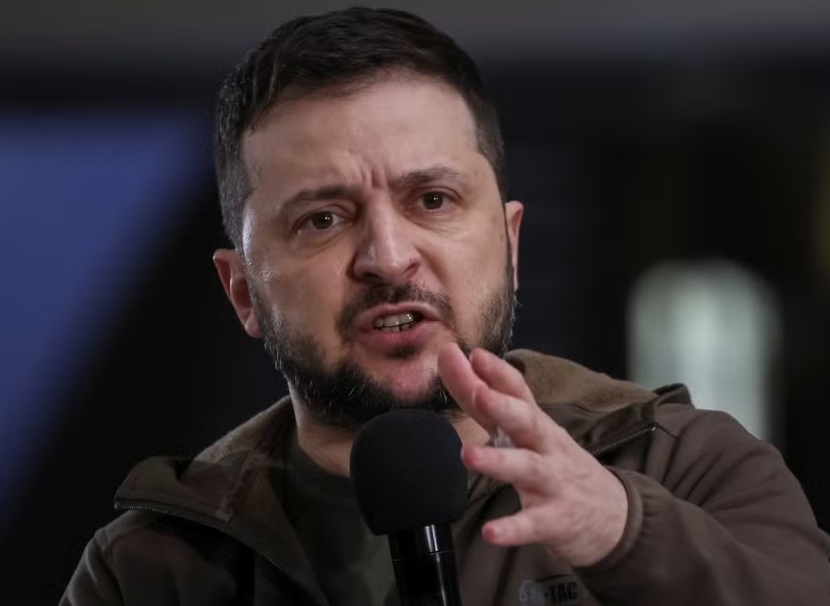
🎤🎤 Dining with Maitreya & Pam — Presidential Dialogue Series
Interview Questions for Volodymyr Zelensky
Presented by the Maitreya Initiative
I. Origins and Strategic Decisions
- Prelude to conflict:
Mr. President, prior to the Russian invasion, there were already pro-Russian insurgency attempts in the territories now occupied. Do you believe that this internal dynamic was underestimated by Kyiv at the time? - The NATO gamble:
You advanced Ukraine’s alignment with NATO despite President Putin’s repeated public warnings that such a move would not be tolerated. Were you fully aware this decision could trigger a full-scale war, or did you assume it was only diplomatic pressure?
II. Military Scenarios and Nuclear Risks
- Extreme hypothesis:
In your calculations, if a drone strike were to eliminate President Putin, would the Kremlin likely authorize immediate nuclear retaliation against Ukraine? How do you weigh this risk in your overall strategy? - Demographic asymmetry:
Ukraine’s population is much smaller than Russia’s, meaning Moscow can replace soldiers at the front more easily. How can Kyiv sustain a prolonged war under this demographic disadvantage? - Weapons effectiveness:
So far, Western weapons have demonstrated higher precision and effectiveness than Russian ones. Yet, Russia’s defense industry is learning and adapting quickly. To what extent could this technological race ultimately shift the balance?
III. Peace, Negotiation, and Alternatives
- The cost of peace:
What are you willing to do for peace? Would you accept a binding referendum in the occupied territories, under UN supervision, allowing residents to decide whether they wish to remain part of Ukraine or join Russia—with both governments pledging to respect the people’s will? - Soft alternatives:
Have you considered unconventional strategies—for example, declaring alignment with Russia while simultaneously implementing a model of direct digital democracy in Ukraine, effectively introducing a “democratic virus” into the Russian system itself? - Land or blood:
After more than two years of war, neither Russia has significantly advanced nor Ukraine decisively regained territories. If the alternative is the continued bleeding of younger generations, what is worth more: land or the lives of Ukrainian and Russian brothers? - The personal role:
Are you aware that, in many ways, what separates Ukrainians and Russians as brotherly peoples today are essentially the decisions made by yourself and President Putin? - Path to resolution:
You refuse to cede territory, and Putin refuses to abandon the occupied lands. Beyond a referendum, do you have a peace proposal that could be acceptable to both peoples—preserving sovereignty while ensuring regional stability?
IV. Economy and Society
- The war debt:
Western military and logistical support is not free; it indebts and compromises Ukraine’s economic future—not just for the present generation but for those to come. How do you intend to face this historic debt? Even if you win the war militarily, is there not a risk of losing the economic war? - Agriculture as backbone:
Ukraine is a breadbasket for the world. How is the war affecting your agricultural and livestock production, and what strategies are in place to prevent food insecurity from becoming a second front in the global crisis?
🎤🎤 Dining with Maitreya & Pam — Presidential Dialogue Series
Interview Questions for Volodímir Zelenski
Presented by the Maitreya Initiative
I. Orígenes y decisiones estratégicas
- Preludio al conflicto:
Señor presidente, antes de la invasión rusa ya existían conatos de insurgencia prorrusa en los territorios que hoy permanecen ocupados. ¿Considera que esa dinámica interna fue ignorada o subestimada por Kiev en su momento? - La apuesta por la OTAN:
Usted decidió avanzar en el acercamiento a la OTAN aun después de advertencias públicas y reiteradas del presidente Putin. ¿Era consciente de que esa decisión podía detonar una guerra a gran escala, o confió en que se trataba de un mero gesto de presión diplomática?
II. Escenarios bélicos y riesgos nucleares
- Hipótesis extrema:
¿Está en sus cálculos que, si un ataque con drones llegara a eliminar al presidente Putin, el Kremlin pudiera autorizar represalias nucleares inmediatas contra toda Ucrania? ¿Cómo evalúa ese riesgo dentro de su estrategia? - Asimetría militar:
La población de Ucrania es mucho menor que la de Rusia, lo que significa que Moscú puede reponer soldados en el frente con mayor facilidad. ¿Cómo proyecta Kiev sostener una guerra prolongada en un escenario de desventaja demográfica? - Eficiencia armamentística:
Por ahora, las armas occidentales han mostrado mayor precisión y efectividad que las rusas. Sin embargo, la industria militar rusa aprende y se adapta rápidamente. ¿Hasta qué punto esta carrera tecnológica puede inclinar la balanza en uno u otro sentido?
III. Paz, negociación y alternativas
- El costo de la paz:
¿Qué está dispuesto a hacer por la paz? ¿Aceptaría un plebiscito vinculante en los territorios ocupados, bajo supervisión de la ONU, en el que sus ciudadanos elijan si desean permanecer en Ucrania o incorporarse a Rusia, comprometiéndose ambas partes a acatar la voluntad popular? - Alternativas blandas:
¿Ha considerado estrategias no convencionales, como declararse aliado de Rusia mientras impulsa en paralelo un modelo de democracia digital directa dentro de Ucrania, que podría introducir un “virus democrático” dentro del propio sistema ruso? - La tierra o la sangre:
Tras más de dos años de guerra, ni Rusia ha logrado avanzar más ni Ucrania recuperar territorios de forma decisiva. Si la alternativa es seguir desangrando a las generaciones jóvenes, ¿qué vale más: la tierra o la vida de los hermanos ucranianos y rusos? - El rol personal:
¿Es consciente de que, en buena medida, lo único que separa hoy a ucranianos y rusos como pueblos hermanos son las decisiones suyas y de Putin? - Propuesta de salida:
Usted rechaza ceder territorios, Putin no quiere retirarse de los ocupados. Más allá de un plebiscito, ¿tiene alguna propuesta de paz que pueda ser aceptable para ambos pueblos y que preserve tanto la soberanía como la estabilidad regional?
IV. Economía y sociedad
- La deuda de guerra:
La ayuda militar y logística de Occidente no es gratuita: compromete el futuro económico de Ucrania no solo en esta generación sino también en las venideras. ¿Cómo piensa usted enfrentar esa deuda histórica? Aunque ganen la guerra en el terreno, ¿no se corre el riesgo de perder la guerra económica? - El agro como columna vertebral:
Ucrania es un granero mundial. ¿Cómo está afectando la guerra a la producción agrícola y ganadera, y qué estrategias tienen para evitar que la inseguridad alimentaria se convierta en un segundo frente de crisis global?
🎤🎤 Dining with Maitreya & Pam — Presidential Dialogue Series
Interview Questions for Narendra Modi
Presented by the Maitreya Initiative
I. Civilization, Reconciliation, and Regional Vision
- Gandhi and the Indo-Pakistani horizon:
Prime Minister, in the spirit of Gandhi, would your government consider advancing a common market with Pakistan, leaving historical grievances behind and prioritizing shared prosperity? Can India’s spiritual philosophy—seeing the Absolute in all names of God—serve as a real political bridge? - Yoga, Dharma, and soft power:
Yoga has expanded and been commercialized in the West. Where does India draw the line between cultural diplomacy and the commodification of Dharma? Can the sacred be “privatized” without diminishing its essence?
II. Security, Deterrence, and Geostrategy
- Agni-5 and deterrence doctrine:
The development of intermediate-range missiles like Agni-5—was this strategic message directed primarily at Pakistan or China? How does it fit within India’s broader doctrine of deterrence and regional stability? - Naval exercises in sensitive waters:
India has conducted joint naval drills with partners in disputed areas of the Indo-Pacific. Does this reduce risks by securing freedom of navigation, or does it escalate tensions and fragment trade routes?
III. Economy, Technology, and Industrial Leap
- India as Asia’s hyper-hub:
With competitive labor and a rising software elite, is India aiming to become the new manufacturing-digital hyper-hub, rebalancing China’s economic dominance? What internal barriers are being dismantled to achieve this? - AI acceleration and macro-industrial convergence:
By strategically leveraging its software edge, India could accelerate AI beyond global averages and trigger an unprecedented industrial convergence (chips, robotics, biotech, energy). Is this roadmap being actively pursued? - Cognitive capital and human potential:
The key strategic resource is cognitive capital—education, nutrition, health, STEM, digital skills. What national programs is India implementing to raise this potential, including evidence-based mind–body practices, while avoiding pseudoscience?
IV. Demographics, Infrastructure, and Future Cities
- Population growth and essential services:
As India approaches becoming the most populous country, how is your government planning housing, water, energy, transport, health, and education to avoid structural poverty? What concrete targets are set for the next 5–10 years? - AINeuron as ecosystems for living and production:
Would you see value in piloting AINeuron (smart micro-cities + AI-managed agro-tech + distributed energy) to reconfigure how Indians live and produce at scale, with affordable ownership and local employment?
V. Global Leadership, Ethics, and Cooperation
- Hunger and moral omissions:
Millions die annually from hunger, extreme poverty, preventable diseases, disasters, and wars. What concrete and measurable actions will India lead—through budget, alliances, or technology—to drastically reduce this avoidable mortality within this decade? - A wider Asian common market:
Would India be willing to advance a common market with China, Southeast Asia, Pakistan, and Islamic countries, under shared rules for security, data, energy, and tariffs, minimizing risks while maximizing prosperity? - Attracting capital and building Indian multinationals:
India still has untapped potential for global investment. What agenda of regulatory, fiscal, and infrastructure reforms will your government implement to scale world-class Indian multinationals and channel green finance into energy transition and advanced manufacturing?
✅ Why this set works
- Clear structure: civilization, security, economy/AI, demographics, global leadership.
- Dual impact: every question invites an answer but also stands as an autonomous statement.
- Balance: reconciliation (Pakistan, Asia) and realism (deterrence, Indo-Pacific).
- Accountability: calls for measurable targets, budgets, and concrete reforms.
🎤🎤 Dining with Maitreya & Pam — Presidential Dialogue Series
Preguntas de Entrevista para Narendra Modi
Presentado por la Iniciativa Maitreya
I. Civilización, reconciliación y visión regional
- Gandhi y el horizonte indo-paquistaní:
Señor primer ministro, en el espíritu de Gandhi, ¿estaría su gobierno dispuesto a impulsar un mercado común con Pakistán, dejando atrás agravios históricos y priorizando prosperidad compartida? ¿Puede la espiritualidad india —que ve a lo Absoluto en todos los nombres de Dios— servir como puente político real? - Yoga, Dharma y soft power:
El yoga se expandió y comercializó en Occidente. ¿Dónde traza India la línea entre diplomacia cultural y mercantilización del Dharma? ¿Puede “privatizarse” lo sagrado sin empobrecer su sentido?
II. Seguridad, disuasión y geoestrategia
- Agni-5 y doctrina de disuasión:
El desarrollo de misiles de alcance intermedio, como Agni-5, ¿es un mensaje estratégico principalmente para Pakistán o para China? ¿Cómo encaja en la doctrina de disuasión y en la estabilidad regional? - Ejercicios navales en aguas sensibles:
India ha reforzado ejercicios marítimos con socios en zonas disputadas del Indo-Pacífico. ¿Eso reduce riesgos y garantiza libertad de navegación, o eleva la tensión y fragmenta las rutas del comercio?
III. Economía, tecnología y salto industrial
- India como hiper-hub asiático:
Con mano de obra competitiva y una élite de software en ascenso, ¿apunta India a convertirse en el nuevo hiper-hub manufacturero-digital que reequilibre la hegemonía económica china? ¿Qué barreras internas está desmontando para lograrlo? - IA acelerada y convergencia macroindustrial:
Si India explota su ventaja en software, puede acelerar IA por encima del promedio global y forzar una convergencia industrial (chips, robótica, biotec, energía). ¿Cuál es el plan para unir esos vectores en territorios y clústeres concretos? - Capital humano y cognición:
El recurso estratégico clave es el capital cognitivo (educación, nutrición, salud, STEM, habilidades digitales). ¿Qué programas nacionales impulsa para elevar el potencial cognitivo—incluyendo prácticas mente-cuerpo basadas en evidencia—sin caer en pseudociencia?
IV. Demografía, infraestructura y ciudades del futuro
- Población, urbanización y servicios esenciales:
Ante el crecimiento poblacional, ¿cómo planea India vivienda, agua, energía, transporte, salud y educación para evitar pobreza estructural? ¿Qué metas cuantitativas se ha fijado para 5 y 10 años? - AINeuron como red de ecosistemas productivos:
¿Ve sentido en pilotear AINeuron (microciudades inteligentes + agro-tech robotizada + energía distribuida) para reconfigurar el modo de habitar y producir en India a escala, con propiedad asequible y empleo local?
V. Liderazgo global, ética y cooperación
- Hambre y omisiones morales:
Millones mueren cada año por hambre, pobreza extrema, enfermedades evitables, desastres y guerras. ¿Qué acciones concretas y medibles liderará India—presupuesto, alianzas, tecnología—para reducir drásticamente esa mortalidad evitable en esta década? - Mercado común ampliado en Asia:
¿Estaría India dispuesta a impulsar un mercado común con China, Sudeste Asiático, Pakistán y países islámicos, bajo reglas de seguridad, datos, energía y aranceles que minimicen riesgos y maximicen prosperidad? - Atracción de capital y multinacionales indias:
India aún puede capturar más inversión global. ¿Qué agenda de reformas regulatorias, fiscales y de infraestructura desplegará para escalar multinacionales indias de clase mundial y canalizar finanzas verdes hacia transición energética y manufactura avanzada?
🎤🎤 Dining with Maitreya & Pam — Presidential Dialogue Series
Interview Questions for Hamdan bin Mohammed Al Maktoum
Presented by the Maitreya Initiative
I. Wealth, Philanthropy, and Social Legitimacy
- Asset–philanthropy coherence:
Your Highness, there is a perceived asymmetry between high-profile luxury assets and the capped scale of philanthropic foundations. How do you intend to balance visible wealth with measurable social impact to reinforce Dubai’s social license to operate? - Philanthropy 2.0 with metrics:
Would you consider setting a binding target (e.g., a percentage of local GDP) for global public goods—hunger, health, education, climate—accompanied by auditable KPIs, SROI assessments, and annual reporting of results?
II. Energy, Transition, and Gulf Geopolitics
- Post-COP and fossil demand peak:
Following COP held in Dubai, what is the decline trajectory aligned with 1.5–2 °C for UAE fossil production? How does Dubai reconcile the short-term extractive drive with a credible net-zero pathway (timelines, CAPEX reallocation, green taxonomy)? - Subsidies and true costs:
Green parity is already real across many technologies. If externalities (health, climate, pollution) are internalized, fossil fuels lose competitiveness. Would you support a phased elimination of subsidies and a regional carbon pricing mechanism? - Stranded assets and sovereign risk:
As the transition accelerates, how will Dubai mitigate the risk of stranded assets, the climate risk premium on sovereign debt, and the depreciation of fossil-linked collateral in sovereign wealth portfolios?
III. Physical Risk, Coastlines, and Real Estate
- Sea level rise, heat stress, and disclosure:
With sea-level rise and extended heat waves, what is Dubai’s coastal adaptation plan (seawalls, codes, insurance, evacuation protocols) and its risk disclosure strategy to property buyers and global investors to avoid systemic litigation and losses?
IV. Diversification and the Economy of the Future
- From petrodollars to bits and bio:
What is the roadmap to transform Dubai into a hub for AI, semiconductors, biotech, sharia-compliant fintech, and green hydrogen, with dedicated clusters, global talent pipelines, and long-term R&D incentives? - Luxury tourism vs extended reality:
As VR/AR reshapes luxury experiences, what will be Dubai’s 2030 value proposition? How will you migrate parts of the model toward immersive economies and digital property markets (utility NFTs, digital twins of the city)?
V. Ethics, Inclusion, and Moral Duty
- Hunger and global omissions:
Millions die each year from preventable causes. What quantified, time-bound commitment will Dubai undertake—funds, logistics, partnerships with NGOs and multilaterals—to drastically reduce avoidable mortality within this decade? - Gender equality with targets:
Tradition can coexist with modernity. What annual targets are being set for women’s participation in leadership, STEM, and entrepreneurship—and what compliance mechanisms will ensure delivery?
VI. Governance and Social Contract
- Digital participation and accountability:
Would Dubai consider a “digital majlis”—participatory budgeting, citizen consultations with verification, and real-time public audit dashboards—as a local version of consultative digital democracy, strengthening trust and agility? - Food security and financial resilience:
If fossil revenues decline faster than expected, how will Dubai ensure food security (strategic reserves, vertical farming, efficient desalination), balance of payments stability, and continuity of services without jeopardizing social stability?
🎤🎤 Dining with Maitreya & Pam — Presidential Dialogue Series
Preguntas de Entrevista para Hamdan bin Mohammed Al Maktoum
Presentado por la Iniciativa Maitreya
I. Riqueza, filantropía y legitimidad social
- Coherencia patrimonial–filantrópica:
Su Alteza, existe la percepción de asimetría entre el gasto en activos de lujo de alto perfil y los techos o escalas de aportes filantrópicos. ¿Cómo piensa equilibrar patrimonio visible y impacto social medible para fortalecer la licencia social para operar de Dubái? - Filantropía 2.0 con métricas:
¿Consideraría anunciar un objetivo vinculante (p. ej., % del PIB local) destinado a bienes públicos globales —hambre, salud, educación, clima— con KPIs auditables, evaluación de SROI y reportes anuales de resultados?
II. Energía, transición y geopolítica del Golfo
- Post-COP y pico de demanda fósil:
Tras la COP celebrada en Dubái, ¿cuál es la trayectoria de declive compatible con 1.5–2 °C para la producción fósil de EAU? ¿Cómo alinea Dubái el corto plazo extractivo con una meta net-cero creíble (fechas, CAPEX redirigido, taxonomía verde)? - Subsidios y costos verdaderos:
La paridad verde ya es real en múltiples tecnologías. Si se internalizan externalidades (salud, clima, contaminación), los fósiles pierden competitividad. ¿Avalaría un cronograma de eliminación de subsidios y un precio al carbono regional escalonado? - Activos varados y riesgo soberano:
Ante un mundo que acelera la transición, ¿cómo mitigará Dubái el riesgo de activos varados, la prima de riesgo climático sobre su deuda y la depreciación de colaterales fósiles en los portafolios soberanos?
III. Riesgo físico, litoral y real estate
- Nivel del mar, calor extremo y disclosure:
Con ascenso del nivel del mar y olas de calor más largas, ¿qué plan de adaptación costera (diques, códigos, seguros, planes de evacuación) y de divulgación de riesgos a compradores e inversores implementará Dubái para evitar litigios masivos y pérdidas sistémicas?
IV. Diversificación y economía del futuro
- De petrodólares a bits y bio:
¿Cuál es la hoja de ruta para convertir a Dubái en hub de IA, semiconductores, biotecnología, fintech (sharia-compliant) e hidrógeno verde, con clusters, talento global y incentivos de I+D de largo plazo? - Turismo de lujo vs realidad extendida:
Si VR/AR transforma la experiencia de lujo, ¿cuál será la propuesta de valor 2030 de Dubái? ¿Cómo migrarán parte del modelo a economías de experiencias inmersivas y propiedad digital (NFTs utilitarios, gemelos digitales de la ciudad)?
V. Ética, inclusión y deber moral
- Hambre y omisiones globales:
Millones mueren cada año por causas evitables. ¿Qué compromiso cuantificado y fechado asumirá Dubái (fondos, logística, alianzas con ONGs y multilaterales) para reducir drásticamente la mortalidad evitable en esta década? - Igualdad de género con métricas:
La cultura puede convivir con la modernidad. ¿Cuáles son las metas anuales de participación femenina en liderazgo público-privado, STEM y emprendimiento, y qué mecanismos de cumplimiento asegurarán su logro?
VI. Gobernanza y contrato social
- Participación digital y rendición de cuentas:
¿Exploraría Dubái un “majlis digital” —presupuestos participativos, consultas ciudadanas verificadas, paneles de auditoría pública en tiempo real— como versión local de democracia digital consultiva, reforzando confianza y agilidad? - Seguridad alimentaria y resiliencia financiera:
Si los ingresos fósiles caen más rápido de lo previsto, ¿cómo garantizará Dubái seguridad alimentaria (reservas estratégicas, agricultura vertical y desalinización eficiente), balanza de pagos y continuidad de servicios sin comprometer la estabilidad social?
A Better World, Now Possible!
EcoBuddha Maitreya
©2025. All rights reserved. Conditions for publication
 "EcoBuddha Maitreya | Yoga Master & NeuroYoga 2009 Creator – Official Global Site"
Deja un comentario