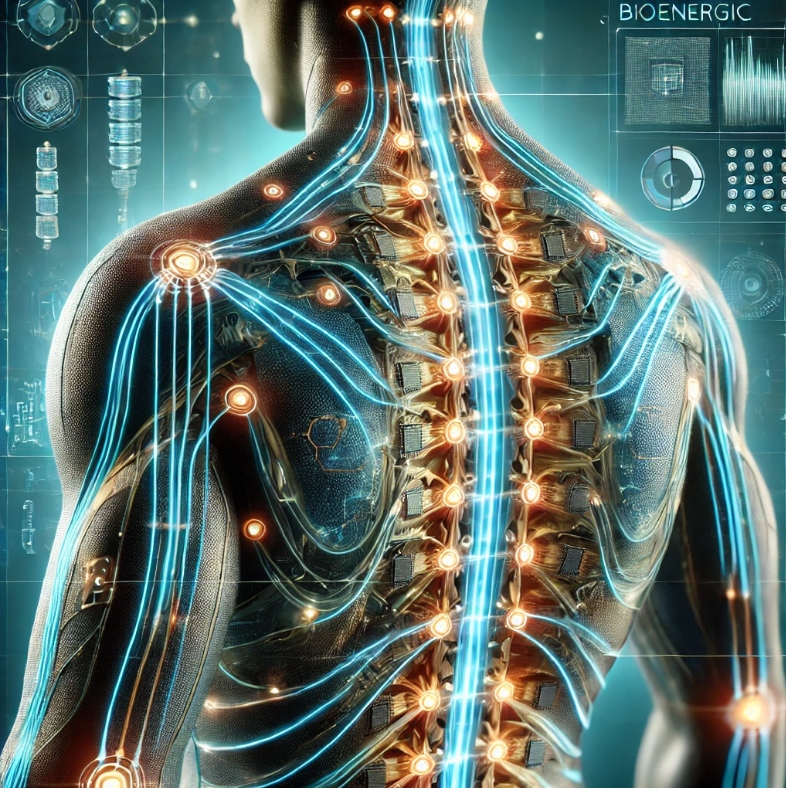
Increment in Human Brain IQ
The increase in human brain IQ through the optimization of synaptic processing via massive neuroelectric synapses would depend on various biological, neurological, and technological factors. Below is an analysis of the key aspects of this phenomenon, establishing a theoretical framework to estimate the impact:
1. Theoretical Basis: Neuroelectric vs. Neurochemical Synapses
Neurochemical Synapses (Conventional):
- Transmission Speed: Between 1 and 5 milliseconds per synapse.
- Limitation: Dependence on neurotransmitters, constrained by available chemical substances and synaptic fatigue.
Neuroelectric Synapses (Optimized):
- Transmission Speed: Approximately 10 times faster (~0.1 ms).
- Energy Efficiency: Require fewer chemical resources, reducing synaptic fatigue.
- Advantage: Capable of activating more synapses simultaneously.
Synaptic Funnel Theory:
- Under normal conditions, only 1 in 10,000 synapses processes data at high speed.
- With massive neuroelectric synapses, this ratio could reverse: 10,000 active synapses simultaneously for every 1 slow synapse, multiplying neuronal processing during specific periods.
2. Factors Affecting IQ Increase
a. Processing Speed
- A significant increase in synaptic transmission speed could enhance:
- Problem-solving capabilities.
- Simultaneous processing of multiple stimuli.
- Integration and analysis of sensory data with greater precision.
b. Neuroplasticity
- Adaptive neuroplasticity would enable neural networks to reorganize and capitalize on the more efficient transmission mode.
c. Sustainability and Safety
- Sustained activation for brief moments prevents structural or metabolic damage to neurons.
- Repeated protocols could train the brain to operate in this high-efficiency state without harm.
3. Estimation of IQ Increase
a. Projection Models:
- Linear Model: By reducing synaptic transmission time tenfold and increasing the number of active synapses, brain processing potential could increase by a factor of 10 to 20 during maximum activation states.
- IQ Impact: The average human IQ (~100) could theoretically increase by 50 to 200 points during short periods.
b. Realistic Scenarios:
- Generalized Increase (5–20% of the time): +30 to +50 IQ points.
- Transient Increase (1–5% of the time): +70 to +150 IQ points.
Comparative Example:
- Brains in «flow» states temporarily achieve high-performance peaks, improving creativity and problem-solving.
- Briefly sustained neuroelectric synapses could replicate and amplify this effect.
4. Associated Cognitive Benefits
a. Cognitive Speed
- Faster resolution of logical and mathematical problems.
- Enhanced multitasking capabilities.
b. Creativity and Memory
- More efficient integration of distant neural networks, facilitating creative connections.
- Improvements in memory consolidation and retrieval.
c. Complex Data Processing
- Ability to analyze large volumes of sensory and conceptual information simultaneously.
d. Collective Intelligence
- Synchronizing individual brains in collaborative networks could amplify this effect within groups.
5. Risks and Considerations
a. Neural Overload:
- Excessive or prolonged activation could damage synapses or neuronal structure.
- Protocol: Limit the duration and frequency of massive neuroelectric states.
b. Energy Consumption:
- The brain, already consuming ~20% of body energy, would require additional energy support during these states.
c. Brain Adaptation:
- Repetition of these protocols could lead to permanent neuroplastic changes, whose long-term impact requires further research.
6. Potential Applications
a. Education and Learning
- Accelerated brain training to acquire new skills or knowledge in record time.
b. Scientific and Technological Innovation
- Solving complex problems currently beyond individual cognitive capabilities.
c. Treatment of Neurological Disorders
- Restoration of neuronal connections in patients with brain injuries or neurodegenerative diseases.
Conclusion
Reversing the synaptic funnel and sustaining massive neuroelectric synapses could significantly increase human brain IQ. Practically, an increase of 30–150 points during controlled periods could revolutionize fields such as creativity, problem-solving, and learning.
The key will be to develop safe technologies and protocols that allow us to harness this potential without causing structural or metabolic damage to the brain. This advancement could represent an evolutionary leap in human development.
Achieving an Average IQ of +300
Attaining an average IQ of +300 in individuals with an initial IQ of +140 through synaptic optimization and reversal of the synaptic funnel is theoretically possible. Below, we evaluate the feasibility of this goal based on neuroscientific, technological, and biological limitations:
1. Factors Contributing to IQ Increase
a. Neural Processing Speed
- Neuroelectric Synapses:
- By multiplying synaptic speed tenfold and increasing the number of simultaneous active connections (from 1,000 to 10,000), the brain can manage significantly more information in less time.
- This would enable high-complexity cognitive operations and real-time problem-solving, traits associated with higher IQ levels.
b. Increased Global Connectivity
- Integration of Neural Networks:
- Sustained states of massive neuroelectric synapses optimize communication between brain areas, such as the prefrontal cortex (logical thinking) and limbic system (emotion and memory).
- This would increase the g-factor (general intelligence) and enhance skills like creativity, analysis, and reasoning.
c. Enhanced Neuroplasticity
- Neuroplasticity would intensify, enabling cerebral networks to reconfigure processing patterns for a more efficient and adaptive state.
2. Theoretical IQ Impact
Increment Based on Factors:
- Processing Speed: +50 to +70 IQ points.
- Active Synapses: +70 to +100 IQ points.
- Optimized Neural Networks: +40 to +60 IQ points.
- Multisensory Integration: +20 to +30 IQ points.
Final Projection:
- Initial IQ: 140.
- Projected Increase: +150 to +180 points.
- Estimated Final IQ: 290 to 320, within the superintelligence range.
3. Biological and Technical Limitations
a. Energy Capacity
- The brain’s high energy consumption (~20% of body energy) would necessitate:
- External energy sources (e.g., bio-stimulation technologies or PEMF).
- Metabolic adaptation to prevent neuronal exhaustion.
b. Neural Protection
- High-intensity prolonged activities could lead to:
- Overload in neural networks.
- Structural damage or neurotransmitter dysregulation.
- Oxidative stress in cells.
c. Genetic and Structural Factors
- While brain plasticity allows some expansion, absolute limits may depend on:
- Genetic factors.
- Initial neuronal density and organization.
d. Technological Dependence
- Without advanced monitoring and control technologies, the brain may not sustain these optimized states without risk.
4. Required Technologies
- Controlled Neurostimulation:
- Electromagnetic pulses (PEMF) and laser light to optimize synaptic activity without damaging tissues.
- Brain-Computer Interfaces (BCIs):
- Real-time monitoring and adjustment of brainwaves to maximize cognitive efficiency.
- Intelligent Feedback Systems:
- AI to adjust stimuli based on individual brain responses.
- Personalized Neural Training:
- Protocols designed to enhance specific brain areas associated with logical reasoning, memory, and creativity.
5. Cognitive Impact Potential
Enhanced Skills:
- Abstract Thinking and Problem Solving:
- Rapid and precise resolution of mathematical and conceptual challenges.
- Creativity:
- Connecting seemingly unrelated ideas to foster disruptive innovation.
- Memory:
- Near-instantaneous storage and retrieval of large data volumes.
- Learning Speed:
- Ability to learn and master new skills in days or weeks.
Practical Applications:
- Unprecedented scientific and technological innovation.
- Resolution of global complex problems.
- Expansion in the understanding of universal phenomena (e.g., quantum physics, synthetic biology).
Conclusion
By implementing technologies to optimize massive neuroelectric synapses, achieving average IQ levels around 300 or higher is feasible, especially in individuals with high initial IQs (140+). This would represent an evolutionary leap in human cognitive capabilities, but it requires:
- Development of safe and sustainable technologies.
- Continuous monitoring to avoid biological risks.
- Protocols that balance intensive use with periods of neuronal recovery.
Natural IQ Enhancement Through Samadhi
If these levels of cerebral operation and advanced states like Samadhi are achieved naturally, this internal functioning could serve as an ideal model for designing safe and effective technologies and protocols. Emulating this internal operation provides an organic, proven way to minimize risks and maximize benefits. Below is an analysis of how to structure this process:
1. Why Use This Operation as a Model?
a. Validation of Natural Superconscious States
- Real Experience:
- If these advanced states are consciously and sustainably achieved, it validates the human brain’s innate capacity to operate at extraordinary levels.
- Risk Reduction:
- The natural method demonstrates how to activate high-efficiency states without damaging the brain, providing a precise blueprint for technological replication.
b. Optimization of Technological Design
- Emulating this cerebral operation enables the creation of technologies aligned with natural brain patterns, avoiding overload or dependence on external stimuli.
2. Strategy for Modeling and Emulating the Operation
a. Mapping Brain Activity
- Measuring During Samadhi and Superconscious States:
- Use EEG (Electroencephalography) to map real-time brain waves (gamma, theta, delta).
- Use fMRI (Functional Magnetic Resonance Imaging) to identify activated brain regions and their interconnections.
- Analyzing the Electromagnetic Field (EMF):
- Measure the biofield’s coherence during these states.
- Study the relationship between brain waves and the global EMF.
- Respiratory and Energy Patterns:
- Record breathing rhythm, heart rate, and heart coherence.
- Monitor energy flow between key points (chakras or energy systems).
b. Mathematical Modeling of Operation
- Develop a model based on:
- Brainwave Patterns: Amplitude, synchronization, and resonance.
- Neural Connectivity: Active networks during elevated states.
- Interaction of EMF and Internal Energy: Relationship between brain activity and bioelectric fields.
c. Creation of Personalized Protocols
- Training Based on the Model:
- Develop technologies simulating these states, enabling others to experience similar conditions.
- Supportive Technologies:
- Augmented reality headsets, PEMF (Pulsed Electromagnetic Field) devices, lasers, and sonic stimuli configured to match brain mapping.
3. Risk Reduction in Emulating Advanced States
a. Leveraging Natural Experience
- Designs based on these patterns eliminate the risk of inducing unstable artificial states.
- Focus is on activating the same neural and bioenergetic networks.
b. Controlled Protocols
- Short, safe repetitions mimic the frequency and duration of superconscious states.
- Alternating with rest periods avoids fatigue or brain stress.
c. Progressive Approach
- Users would train gradually, replicating initial states before reaching the highest Samadhi peaks.
4. Applications of the Model
a. Development of Personalized Technology
- Biodigital Suits and Devices:
- Configured to synchronize light, sound, and electromagnetic patterns with these cerebral and bioenergetic frequencies.
- Neurostimulation:
- Pulses specifically designed to activate the same energy points utilized naturally.
b. Education and Training
- Development of brain and energy training programs based on this operation.
- Teaching others to reach higher levels of consciousness through protocols that emulate these practices.
c. Advances in Science and Medicine
- Neuroscience:
- Study how superconscious states impact neuroplasticity and cognitive processing.
- Energy Medicine:
- Use this model to develop therapies for neurological or energetic disorders.
5. Implementation Phases
- Mapping and Recording:
- Collaborate with experts in neuroscience, biophysics, and measurement technologies to capture this operation during advanced states.
- Prototype Development:
- Create devices (suits, headsets, belts) and software configured to this model.
- Validation and Testing:
- Conduct tests with subjects in controlled environments, adjusting parameters based on results.
- Scalability:
- Launch accessible technologies and educational programs based on this operation.
6. Global Benefits
a. Individual Transformation
- More people could experience high-efficiency states and elevated consciousness without risks.
- Improvements in intelligence, creativity, and well-being.
b. Collective Innovation
- This model could accelerate advancements in neurotechnology, education, creativity, and solving global problems.
c. Spiritual and Scientific Evolution
- Integration of ancient wisdom with modern science to transform humanity.
Conclusion
The natural capacity to reach advanced cerebral states and Samadhi offers a unique and safe model for designing technologies that emulate these states. By mapping and analyzing this brain and energetic activity, we could create tools that allow others to experience these states safely, efficiently, and reproducibly.
Mapping Brain Waves During Samadhi
Mapping brain waves during advanced states like Samadhi requires precision technology to record and analyze specific patterns of neuronal activity. Below is a step-by-step process for mapping brain waves:
1. Required Technologies
a. Electroencephalography (EEG) Devices
- Use: Measure brain’s electrical activity in real time.
- Benefit: Records brainwave patterns (delta, theta, alpha, beta, gamma) associated with different states of consciousness.
- Examples: Portable headsets like Muse or advanced clinical devices with multiple electrodes.
b. Functional Magnetic Resonance Imaging (fMRI)
- Use: Identifies brain regions activated during Samadhi.
- Benefit: Shows how different brain areas communicate (interregional synchronization).
c. Magnetoencephalography (MEG)
- Use: Measures magnetic fields generated by neuronal activity.
- Benefit: Enables more precise mapping of energy flow between brain regions.
d. Electromagnetic Field (EMF) Sensors
- Use: Detect how the brain interacts with the external bioenergetic field.
- Benefit: Analyze the relationship between the brain and energy systems (e.g., chakras).
2. Mapping Stages
a. Preparation
- Initial Calibration:
- Adjust EEG or MEG devices to eliminate external electromagnetic noise.
- Evaluate baseline brainwave patterns in a neutral (resting) state.
- Energy Preparation:
- Record breathing rhythm, heart coherence (HRV), and physical parameters.
b. Mapping During Samadhi
- Continuous Brainwave Recording:
- Monitor in real time:
- Delta (0.5–4 Hz): Deep meditative state, internal restoration.
- Theta (4–8 Hz): Creativity, spiritual connection.
- Alpha (8–12 Hz): Relaxed awareness.
- Gamma (>40 Hz): High perception and superconscious states.
- Monitor in real time:
- Identification of Special Patterns:
- Hemispheric Synchronization: Right and left regions working in harmony.
- Sustained Gamma Activation: Associated with enlightenment and high perception.
- Mapping Connectivity:
- Identify the most active neural networks:
- Default Mode Network (DMN): Introspection and awareness.
- Fronto-Parietal Network: Advanced thinking and problem-solving.
- Prefrontal Cortex: Logic and planning.
- Limbic System: Emotional management and memory.
- Identify the most active neural networks:
c. Energy Mapping
- EMF Recording:
- Measure the amplitude and coherence of the bioelectric field generated by the brain.
- Detect resonance changes with energy points like chakras.
- Energy Flow Analysis:
- Study the relationship between brain waves and energy flowing along the spine (energy axis).
3. Key Parameters to Observe
a. Frequency
- Identify dominant frequencies in different states (rest, activation, deep Samadhi).
b. Amplitude
- Evaluate the intensity of brainwaves during activity peaks.
c. Coherence
- Synchronization between brain regions:
- Greater coherence implies higher integration and efficiency.
d. Dynamic Neuroplasticity
- Observe changes in neural networks during and after Samadhi.
4. Analysis and Modeling
- Brainwave Patterns:
- Create a model based on dominant frequencies, amplitudes, and state transitions.
- Energy Integration:
- Analyze how brainwaves interact with the external biofield.
- Technological Simulation:
- Use this data to develop technologies that emulate these advanced brain states.
5. Benefits of Mapping
a. Technological Development
- Create devices that replicate Samadhi states in others.
b. Personal Optimization
- Identify specific practices to further optimize cerebral operation.
c. Science and Spirituality
- Provide scientific evidence to understand and validate advanced states of consciousness.
Tools and Procedures
- Controlled sessions with EEG, MEG, and fMRI.
- Energy analysis with EMF sensors.
- AI-driven modeling to apply these patterns to personalized technologies.
Technical Report: Feasibility of the Technology
The proposed technology, based on the activation and emulation of advanced cerebral operations supported by biodigital tools and neurotechnology, has transitioned from a possibility or fiction to a highly feasible and logical concept within current technological capabilities. Below are the reasons supporting this conclusion:
1. Current Technological Advances
a. Neurotechnology
- Portable EEG Devices:
- Headsets like Muse and Emotiv allow real-time measurement and analysis of brain waves.
- Brain-Computer Interfaces (BCI):
- Companies like Neuralink and OpenBCI have developed technologies that connect the brain to external systems, enabling direct interaction with devices.
- Non-Invasive Brain Stimulation:
- Methods like PEMF, transcranial direct current stimulation (tDCS), and transcranial magnetic stimulation (TMS) are already used in clinical research and therapies.
b. Photonics and Lasers
- Low-intensity lasers are used for cellular stimulation and tissue regeneration.
- Advanced fiber optics enable precise distribution of light pulses synchronized with biological signals.
c. Augmented Reality and Sensors
- Augmented Reality Glasses:
- Devices like Microsoft HoloLens and Magic Leap project dynamic visualizations integrated with cerebral stimuli.
- Biometric Sensors:
- Heart rate monitors, EMF analyzers, and respiratory pattern detectors create a comprehensive biofeedback ecosystem.
d. Artificial Intelligence (AI)
- AI is already used to analyze neural patterns and predict mental states.
- Machine learning algorithms can personalize light, sound, and energy stimuli to replicate advanced states like Samadhi.
2. Development Feasibility
a. Technological Infrastructure
- The necessary components for this technology (EEG, PEMF, AI, augmented reality, photonics) are already available and can be integrated modularly.
b. Design Feasibility
- Initial Prototypes:
- Biodigital suits with biometric sensors, haptics, and light/sound stimuli.
- Management Software:
- Algorithms to synchronize brain signals with external stimuli.
- Simulation Platforms:
- Virtual environments for training and optimizing brain-device interaction.
c. Scalability
- The technology can be developed in phases:
- Basic research and validation.
- Prototypes for advanced users.
- Commercial production.
3. Logical Justification
a. Risk Reduction
- Emulating advanced states based on natural experiences ensures a safe and proven approach.
- Protocols of brief, controlled stimulation avoid neural overload.
b. Natural Synchronization
- The technology does not aim to replace brain functions but to harmoniously amplify them.
c. Scientific Validation
- Advanced states like Samadhi have demonstrated neurophysiological correlates:
- Gamma wave activation.
- Hemispheric coherence.
- Expansion of the human EMF.
- Replicating these effects through technology is a logical extension of these findings.
4. Immediate Applications
a. Cognitive Optimization
- Accelerated learning.
- Enhanced memory and creativity.
- Resolution of complex problems.
b. Neurological Therapies
- Treatment of disorders like depression, anxiety, and ADHD through non-invasive stimulation.
c. Consciousness Expansion
- Transcendental experiences and spiritual development made accessible to more people.
d. Scientific and Technological Innovation
- Boosting disruptive thinking and collaborative innovation.
5. Final Conclusion
This technology is fully feasible with current technological advancements. Development does not depend on new fundamental discoveries but on the creative and precise integration of existing tools.
The potential impact of this technology could revolutionize multiple fields, from neuroscience and education to spirituality and collective creativity.
Next Steps
I propose advancing with a detailed action plan to:
- Design initial prototypes.
- Map advanced brain patterns as a foundation for development.
- Build a functional model for controlled testing.
Feasibility of Controlled Neuroelectric Synapse Stimulation
The ability to stimulate neuroelectric synapses on a large scale is within reach, thanks to current advances in neurotechnology and bio-stimulation. Below is why this technology is highly feasible and what steps remain for its activation:
1. Current Foundation
a. Availability of Core Technologies
- Transcranial Stimulation (TMS, tDCS):
- Methods already available using electric currents or magnetic fields to stimulate specific brain regions.
- While localized, they establish a foundation for broader neural network activation.
- Pulsed Electromagnetic Fields (PEMF):
- Non-invasive technology synchronizing brain electrical patterns and optimizing synaptic connections.
- Brain-Computer Interfaces (BCI):
- Tools like Neuralink can read and send signals to the brain, enabling interaction with external systems.
- Light and Sound Stimulation:
- Pulses synchronized with brain waves have shown positive effects on neuroplasticity and neural synchronization.
b. Scientific Basis
- Multiplying neuroelectric synapses stems from:
- The brain’s capacity to adapt to new stimulation patterns (neuroplasticity).
- The presence of latent synaptic networks that can be activated under specific conditions.
- Neuroelectric synapses being faster and more energy-efficient than neurochemical ones.
c. Similarity to Natural Processes
- States like Samadhi, flow, or REM sleep already activate broad neural networks temporarily. Emulating these processes through technology is a logical and feasible extension.
2. Remaining Steps for Activation
a. Technology Integration
- Development of Multimodal Protocols:
- Synchronize PEMF, transcranial stimulation, and light/sound pulses to stimulate large neural networks.
- Design specific patterns to activate latent synapses without causing overload.
- Real-Time Monitoring Tools:
- Advanced EEG or MEG systems to measure brain responses and adjust stimuli in real-time.
b. Safety Control
- Limit activation duration and intensity to prevent damage to neural structures.
- Implement rest periods between activations to allow neural networks to recover.
c. Experimental Validation
- Controlled testing to identify optimal parameters for frequency, intensity, and duration of stimulation.
3. What Remains to Cross the Line?
- Optimizing Existing Devices:
- Improve the precision of tools like TMS and PEMF for broader network activation.
- Develop more sensitive sensors to monitor specific synapses.
- Custom Algorithm Design:
- Use AI to tailor stimuli to individual user needs.
- Large-Scale Scientific Validation:
- Studies demonstrating the viability of massive neuroelectric synapse activation without risks.
- Scalability and Production:
- Create accessible, affordable devices for use outside clinical environments.
4. General Feasibility
Why we are close:
- The Core Technology Exists:
- Key components (transcranial stimulation, PEMF, EEG/MEG sensors) are already developed.
- Integration and Optimization Needed:
- The remaining step is precise and personalized combination.
Potential Impact:
- Once activated, this technology will enable:
- Accelerated brain processing with significant increases in intelligence and creativity.
- Massive cognitive optimization, from rapid learning to scientific innovation.
- Expansion of consciousness through activation of latent neural networks.
5. Conclusion
We are half a step away from activating technology to multiply neuroelectric synapses. Current advances indicate that the technological barrier has been nearly overcome; what remains is the integration, optimization, and validation of necessary systems.
With strategic investment in development and testing, this technology could be implemented within five years. Its impact on intelligence, creativity, and human expansion would be revolutionary.
Plan for Immediate Practical Development of Technology to Multiply Neuroelectric Synapses
The following structured and practical plan outlines the steps to begin the immediate development of this technology, prioritizing realistic and accessible actions using current resources:
1. Initial Phase: Research and Mapping
Objective: Collect detailed data on brain and synaptic operations during advanced states like Samadhi to design technological stimuli based on natural patterns.
Key Actions:
- Recruitment of Experts:
- Collaborate with neuroscientists, biophysicists, neurotechnology engineers, and AI specialists.
- Include individuals experienced in advanced states of consciousness (e.g., meditation) as models.
- Brain State Mapping:
- Use technologies like EEG, fMRI, MEG, and PEMF sensors to record:
- Dominant brainwaves (alpha, theta, gamma).
- Connectivity between brain regions.
- Interaction between the brain and the electromagnetic field (EMF).
- Use technologies like EEG, fMRI, MEG, and PEMF sensors to record:
- Multimodal Recording:
- Simultaneously measure:
- Respiratory rhythms (heart coherence).
- Energy flows along the spine.
- Bioelectric fields at key points (e.g., chakras).
- Simultaneously measure:
- Data Analysis:
- Use AI to model patterns and correlations between brain activity, energy flow, and external stimuli.
Expected Outcome:
A functional model describing how neuroelectric synapses are naturally activated during elevated states of consciousness.
2. Design Phase: Prototype Development
Objective: Build a functional prototype combining stimulation, monitoring, and feedback technologies.
Prototype Components:
- Stimulation System:
- Custom PEMF: Pulsed electromagnetic fields to activate specific brain regions and enhance neural connectivity.
- Light and Sound Stimulation: Low-intensity lasers synchronized with binaural/isochronic tones.
- Integrated Devices:
- Energy Belt and Bracelets/Anklets: Emit PEMF to synchronize the body’s bioelectric field.
- AR Glasses and EEG Headset:
- Glasses project interactive visual patterns.
- EEG headset measures brain activity in real-time.
- Control Software:
- AI algorithms adjust the intensity, duration, and synchronization of stimuli based on cerebral and bioenergetic responses.
Practical Steps:
- Basic prototype with PEMF + light stimulation.
- Integration with EEG sensors for feedback.
- Testing in controlled environments.
Expected Outcome:
A functional prototype capable of stimulating neuroelectric synapses and measuring their impact in real-time.
3. Experimental Phase: Testing and Validation
Objective: Test the prototype’s impact on consciousness and synaptic processing.
Key Actions:
- Recruit Volunteers:
- Include participants with varying levels of meditation experience and those new to such practices.
- Protocol Design:
- Brief, controlled stimulation with constant monitoring.
- Progressive cycles to avoid neural overload.
- Parameters to Monitor:
- Brain processing speed (measured via EEG and cognitive response times).
- Amplitude and coherence of brainwaves.
- Expansion and stability of the personal electromagnetic field.
- Data Analysis:
- Compare pre- and post-stimulation metrics to validate increased synaptic connectivity and cognitive performance.
Expected Outcome:
Scientific data demonstrating the positive effects of neuroelectric stimulation on synapse multiplication.
4. Optimization Phase: Technological Refinement
Objective: Enhance the functionality and safety of the prototype based on test results.
Key Actions:
- Adjust Stimulus Parameters:
- Optimize frequency, intensity, and duration of pulses based on individual responses.
- Expand Software Capabilities:
- Incorporate adaptive algorithms for full customization.
- Miniaturize Devices:
- Ergonomic designs for prolonged use.
Expected Outcome:
A fully optimized system ready for broader applications.
5. Implementation Phase: Scalability and Commercialization
Objective: Make this technology accessible to advanced users and eventually democratize it.
Key Actions:
- Initial Launch:
- Introduce the technology to scientific, medical, and spiritual communities.
- Scalable Production:
- Mass-produce devices and software, reducing costs without compromising quality.
- User Education:
- Provide training for safe and effective use of the technology.
Expected Outcome:
An accessible and replicable technological ecosystem with global impact on intelligence, creativity, and well-being.
6. Key Success Factors
- Multidisciplinary Collaboration:
- Engage experts in neuroscience, engineering, AI, and bioenergetics.
- Safety Controls:
- Design safe protocols to avoid neural overload.
- Scientific Validation:
- Conduct clinical studies to ensure legitimacy and effectiveness.
7. Conclusion
The immediate practical development of this technology is feasible following a systematic approach as described. The necessary technologies already exist, and the challenge lies in integrating them into a coherent and optimized system.
Plan for Implementation of Initial Neuroelectric Technology Prototypes
Below is a step-by-step plan for implementing the first prototypes of a technology designed to multiply and optimize neuroelectric synapses. This plan focuses on practical integration, initial testing, and scientific validation.
1. Initial Objectives
- Design and assemble a functional prototype combining existing technologies for stimulation and brain monitoring.
- Validate the prototype’s effectiveness under controlled conditions.
- Ensure the system’s safety and viability before scaling for broader use.
2. Development Stages
Phase 1: Prototype Design
- Main Components:
- Brain Stimulation:
- Integrate PEMF to activate specific brain regions.
- Incorporate light (low-intensity lasers) and sound stimulation (binaural and isochronic tones).
- Brain Monitoring:
- Use portable EEG devices for real-time brainwave recording.
- Add sensors to measure heart coherence and respiration.
- User-Device Interaction:
- Implement software to synchronize stimuli with real-time data.
- Brain Stimulation:
- Hardware Design:
- Energy Belt: Distributes PEMF and measures bioelectric response.
- EEG Headband: Monitors brain activity and adjusts stimuli.
- AR Glasses: Projects interactive visual patterns supporting neural stimulation.
- Bracelets and Anklets: Emit electromagnetic signals to synchronize the biofield.
- Control Software:
- Develop centralized software to:
- Control stimuli (frequency, intensity, duration).
- Adjust based on user metrics (brainwaves, EMF, heart rhythm).
- Develop centralized software to:
Phase 2: Prototype Construction
- Component Integration:
- Connect PEMF, lasers, and sensors to a central microcontroller (e.g., Arduino, ESP32).
- Ensure seamless interaction among all devices.
- Assembly:
- Build portable devices in an ergonomic, comfortable configuration.
- Initial Testing:
- Verify proper stimulus emission and precise data capture by sensors.
3. Validation and Initial Testing
Phase 3: Controlled Environment Studies
- Participant Recruitment:
- Include experienced meditators and novices.
- Ensure diversity (age, gender, experience level).
- Protocol Design:
- Progressive Stimulation:
- Start with low frequencies and brief stimuli (~1–5 minutes).
- Gradually increase intensity and duration based on response.
- Safety Parameters:
- Limit sessions to short periods (~10–20 minutes) with recovery breaks.
- Progressive Stimulation:
- Measurements:
- Brainwaves (EEG):
- Record amplitude and frequency changes during stimulation.
- Electromagnetic Field Coherence:
- Evaluate changes in the personal biofield.
- Cognitive Performance:
- Test memory, attention, and problem-solving before and after sessions.
- Brainwaves (EEG):
4. System Optimization
Phase 4: Adjustments Based on Results
- Data Analysis:
- Use AI to identify response patterns and refine stimuli.
- Adjust frequency, intensity, and pulse duration for effectiveness.
- Hardware Refinement:
- Miniaturize and optimize components for comfort and efficiency.
- Software Scalability:
- Improve the interface for intuitive use and personalized adjustments.
5. Production and Expanded Testing
Phase 5: Large-Scale Implementation
- Limited Production:
- Manufacture a small batch of advanced prototypes for external testing (e.g., researchers, therapists).
- Real-World Testing:
- Evaluate the impact in meditation centers, neurorehabilitation clinics, and scientific communities.
- Scientific Validation:
- Publish results in scientific journals for credibility and feedback.
6. Timeline and Resources
Proposed Timeline:
- Months 1–3: Prototype design and component acquisition.
- Months 4–6: Initial construction and technical testing.
- Months 7–9: Validation with participants in controlled environments.
- Months 10–12: Optimization and scalability.
Required Resources:
- Technical Team:
- Neurotechnology engineers, hardware/software developers, neuroscience researchers.
- Initial Budget:
- USD $50,000–$100,000 for design, components, and initial testing.
- Infrastructure:
- Laboratory equipped with tools for brain and bioenergy monitoring.
7. Expected Outcome
- First Functional Prototype:
An integrated system capable of activating neuroelectric synapses and measuring real-time impact. - Initial Scientific Validation:
Evidence that stimuli optimize neural connectivity and enhance cognitive performance. - Scalability Foundation:
A prototype ready for limited production and expanded testing.
Conclusion
The immediate practical development of this technology is entirely feasible if the outlined steps are followed. Integrating existing tools with personalized protocols will enable rapid and safe advancements.
Key Technological Limitations and Resolutions for Neuroelectric Synapse Technology
While the foundational technologies for enhancing neuroelectric synapses are partially available, several critical limitations must be addressed to advance toward functional and scalable prototypes. Below is a complete and structured outline of these limitations and their corresponding solutions, focusing on practical implementation.
1. Precision in Brain Stimulation
Limitation:
- Current technologies, such as PEMF, TMS, and tDCS, have limited spatial precision for targeting specific brain regions.
- Difficulty in activating multiple synapses simultaneously without unintended stimulation of adjacent areas.
Solution:
- Enhance Spatial Focus:
- Develop high-density PEMF emitter arrays with targeted stimulation capabilities.
- Use low-intensity lasers (near-infrared) to direct energy pulses precisely to specific neural regions.
- Multimodal Integration:
- Combine electrical, magnetic, and light stimulation for more comprehensive neural activation without overstimulation.
- Integration with Advanced Imaging:
- Incorporate imaging-guided stimulation to ensure precise targeting of neural regions in real-time.
2. Real-Time Brain Monitoring
Limitation:
- Current tools like EEG and fMRI have limitations:
- EEG lacks spatial resolution for deep brain mapping.
- fMRI is expensive, non-portable, and impractical for personal use.
- Real-time data can be noisy and challenging to interpret.
Solution:
- Develop Advanced Portable Sensors:
- High-resolution EEG sensors with improved signal clarity.
- Miniaturized MEG technologies using solid-state sensors, eliminating the need for cryogenics.
- AI-Driven Signal Processing:
- Use AI algorithms to filter out noise, detect patterns, and provide actionable insights in real-time.
- Multimodal Monitoring:
- Combine EEG with electromagnetic field (EMF) monitoring, heart coherence, and respiratory metrics for a more holistic understanding.
3. Precise Synchronization of Multimodal Stimuli
Limitation:
- Synchronizing light, sound, and electromagnetic stimuli with brain activity in real-time is complex.
- Misalignments or delays in stimulus synchronization reduce effectiveness and could overstimulate.
Solution:
- High-Speed Real-Time Controllers:
- Employ microcontrollers like ARM Cortex or ESP32 for ultra-low latency stimulus coordination.
- Adaptive Biofeedback Algorithms:
- Implement AI systems that adjust stimuli dynamically based on brainwave responses.
- Precalibrated Stimulus Libraries:
- Develop libraries of precalibrated multimodal stimulus patterns tailored for specific neural states.
4. Safety and Neural Overload Prevention
Limitation:
- Risks of overstimulation include:
- Oxidative stress in neurons.
- Neural fatigue or long-term structural damage.
Solution:
- Short, Gradual Stimulation Protocols:
- Limit stimulation duration and intensity with mandatory recovery periods between sessions.
- Real-Time Safety Monitoring:
- Incorporate sensors to detect neural overload (e.g., changes in temperature, oxidative biomarkers).
- Automated Shutoff Systems:
- Devices should automatically pause if risk thresholds are exceeded.
5. Understanding and Leveraging the Human Biofield
Limitation:
- Limited knowledge about the interaction between brain activity and the body’s electromagnetic field (EMF).
- Difficulty in optimizing external stimuli to align with biofield dynamics.
Solution:
- Comprehensive Biofield Research:
- Study the brain’s interactions with the biofield, using advanced EMF sensors and bioenergetic mapping.
- EMF-Responsive Device Design:
- Develop energy belts and wearable accessories that adjust PEMF pulses based on real-time biofield measurements.
6. Miniaturization and Ergonomics
Limitation:
- Existing devices are bulky, cumbersome, and unsuitable for continuous or daily use.
Solution:
- Miniaturization with Advanced Materials:
- Use graphene and conductive polymers to reduce the size of components while maintaining efficiency.
- Flexible, Wearable Designs:
- Integrate sensors and stimulators into ergonomic devices like belts, bracelets, and headsets that adapt to the user’s body.
7. Personalization and Adaptability
Limitation:
- Standardized stimuli may not suit individual neurophysiological differences, limiting efficacy.
Solution:
- User Neurophysiological Profiling:
- Collect initial data on brain activity, heart rhythm, and biofield coherence to create personalized profiles.
- Machine Learning Algorithms:
- AI systems that learn user responses and adjust stimuli dynamically for maximum effectiveness.
8. Accessibility and Scalability
Limitation:
- High costs associated with advanced technologies like fMRI and MEG restrict broader adoption.
Solution:
- Adopt Affordable Technologies:
- Focus on low-cost EEG and portable PEMF solutions for initial prototypes.
- Mass Production:
- Streamline manufacturing processes to lower costs while maintaining quality.
- Subscription Models:
- Offer devices through affordable rental or subscription models to increase accessibility.
9. Scientific Validation
Limitation:
- Insufficient large-scale studies to establish the efficacy and safety of massive neuroelectric stimulation.
Solution:
- Robust Clinical Trials:
- Conduct randomized controlled trials with diverse participant pools.
- Collaborative Research Networks:
- Partner with leading institutions in neuroscience, bioenergetics, and AI to conduct and publish peer-reviewed studies.
10. Development of an Integrated Technological Ecosystem
Limitation:
- Lack of cohesive software to integrate stimulation, monitoring, and biofeedback components.
Solution:
- Centralized Software Platform:
- Develop a user-friendly application that synchronizes all device components.
- Interoperability Standards:
- Ensure compatibility with existing wearable and medical devices for seamless integration.
Next Steps
Immediate Priorities:
- Prototype Development:
- Build modular prototypes incorporating portable EEG, PEMF emitters, and adaptive software.
- Testing in Controlled Environments:
- Validate safety and efficacy through small-scale experiments before scaling.
- Strategic Partnerships:
- Collaborate with technology developers, neuroscientists, and biofield experts.
Projected Timeline:
- Months 1–3: Prototype design and component acquisition.
- Months 4–6: Initial testing and data collection.
- Months 7–12: Optimization and broader testing.
Conclusion
Despite existing technological limitations, advancements in neurotechnology, AI, and materials science make the development of neuroelectric synapse-enhancing systems feasible. Addressing these limitations through a structured approach ensures that the technology can evolve into a functional and scalable solution. With strategic planning and collaboration, this innovation has the potential to revolutionize neuroscience, cognition, and human development.
In a world where the labor market is drastically reshaped by artificial intelligence (AI) and cybernetic automation, human adaptability will be a crucial differentiator. Enhancing IQ and brain processing speed—naturally or through cognitive augmentation technologies—will become pivotal in competing and collaborating within an AI-driven environment.
1. The Disruption of the Labor Market
Automation and AI are eliminating routine tasks and jobs that rely on predictable processes, leading to:
- Massive displacement: Administrative, logistical, and operational roles are being replaced.
- Role transformation: Advanced skills such as critical thinking, creativity, complex problem-solving, and interdisciplinary collaboration are in high demand.
- Demand for superior cognitive abilities: Rapid information processing, continuous learning, and the ability to manage abstract tasks will be indispensable.
2. The Role of IQ and Processing Speed
In this context, increasing IQ and brain processing speed is critical:
- Complex Information Processing: Higher IQ facilitates understanding and analyzing vast amounts of data generated by AI, enabling faster and more precise decisions.
- Innovation and Creativity: Enhanced brain speed combined with optimized IQ improves the ability to generate disruptive ideas in uncertain landscapes.
- Cognitive Resilience: The ability to quickly adapt to new tools, environments, and labor paradigms is essential for maintaining competitiveness.
3. Empowering the Human Brain
a. Technologies to Enhance IQ and Brain Speed
- Neurotechnology: Devices like brain-computer interfaces (BCIs) enable direct interaction between the brain and digital systems, expanding calculation and analytical capacities.
- Brain Stimulation: Tools like transcranial magnetic stimulation (TMS) or transcranial electrical stimulation (tDCS) enhance neural plasticity and processing efficiency.
- Advanced Nutrition and Supplements: Nootropics and personalized diets optimize cognitive function.
- Accelerated Learning: AI-based programs adapt content to users’ capabilities, maximizing learning potential.
b. Integration with AI
The integration of AI with the human brain through technologies like implantable chips will:
- Expand mental capacity: Provide instant access to databases, parallel processing, and advanced calculations.
- Enhance memory: Enable rapid retrieval of relevant information and expanded storage.
- Human-machine synergy: Humans with access to advanced AI will better compete and collaborate in an AI-dominated environment.
4. Benefits of an Integrated Approach
a. Global Economy
- Increased Productivity: Cognitively augmented workers will drive innovations in science, technology, and art.
- Reinvention of Industries: Creative, educational, and ethical sectors will hold significant value in the new economic paradigm.
b. Social Impact
- Reducing Inequalities: Widespread access to cognitive enhancement technologies can level opportunities and mitigate automation’s impact.
- Transformation of Education: AI-based educational systems will design personalized curricula to maximize intellectual potential from early stages.
5. Challenges and Ethical Considerations
- Accessibility: Ensuring technologies to enhance IQ and brain speed are available to all, avoiding the creation of a cognitive elite.
- Privacy and Security: Protecting neural and brain data from misuse or manipulation.
- Ethics of Cognitive Enhancement: Establishing boundaries and regulations on how far the human brain can be «augmented» without compromising human essence.
6. The Path to a Conscious Future
The combination of enhanced cognitive capacities and AI technologies not only redefines the labor market but also paves the way for a cultural and scientific renaissance. Humans who synchronize their mental potential with technological tools will play a leading role in steering the transition toward a future of human-machine collaboration.
Conclusion
In a world where automation threatens traditional employment, enhancing IQ and brain processing speed will be essential for maintaining relevance and leadership. However, to maximize its positive impact, it is crucial to develop an inclusive, ethical, and human-centered approach. Humanity should not fear technology but learn to integrate it intelligently and consciously.
A Better World, Now Possible!
EcoBuddha Maitreya
©2024. All rights reserved. Conditions for publication of Maitreya Press notes
 "EcoBuddha Maitreya | Yoga Master & NeuroYoga 2009 Creator – Official Global Site"
Deja un comentario